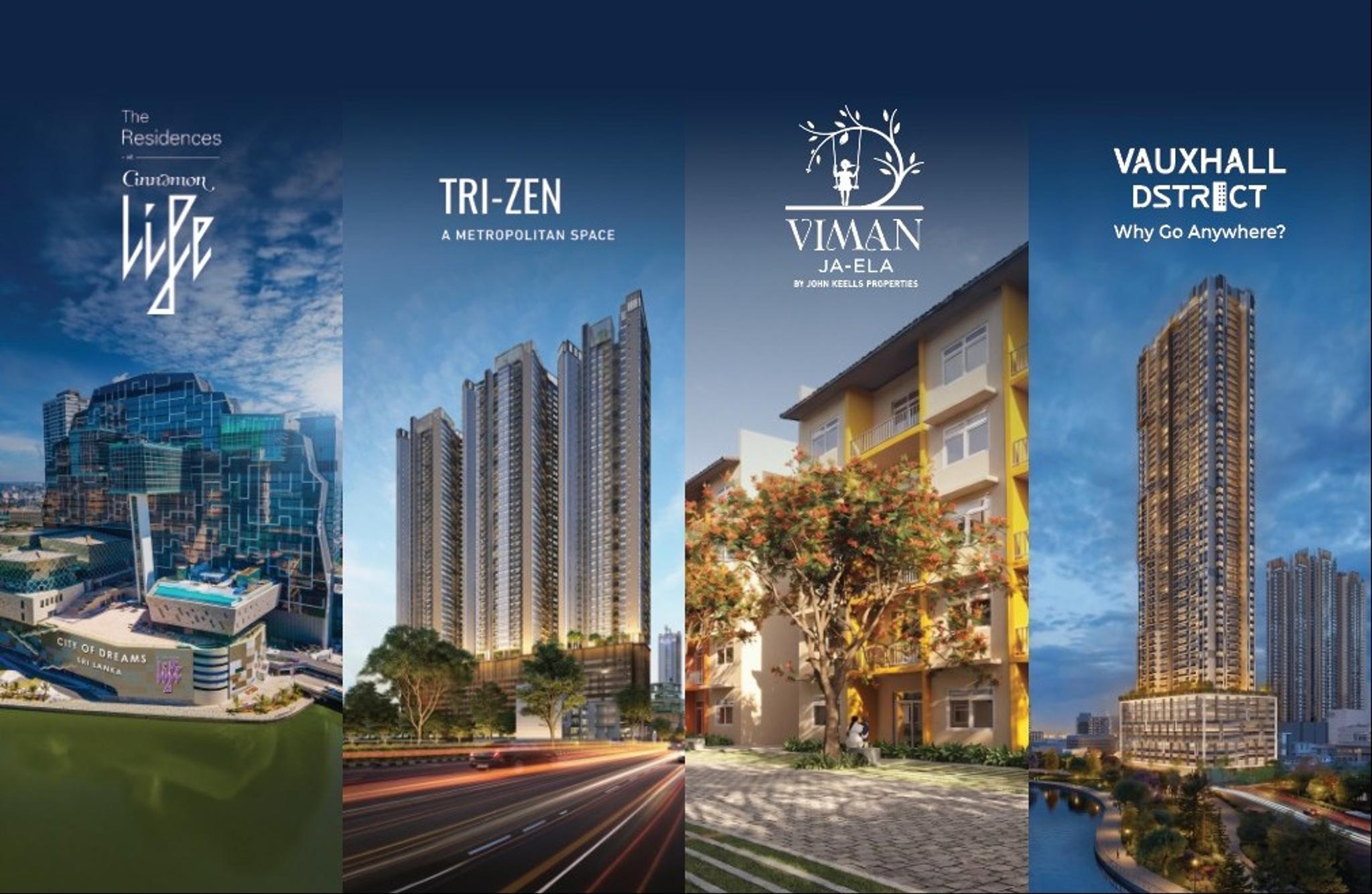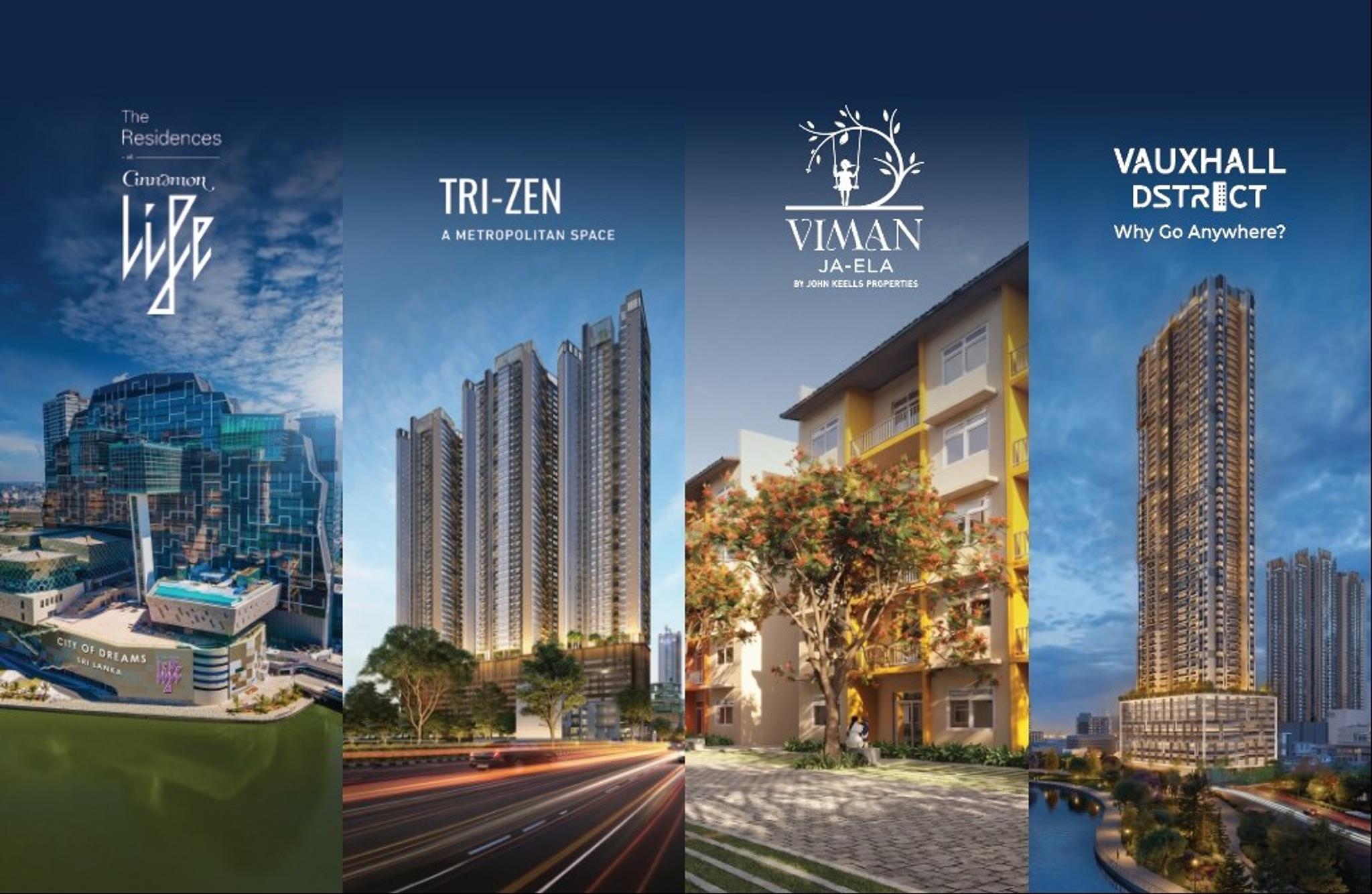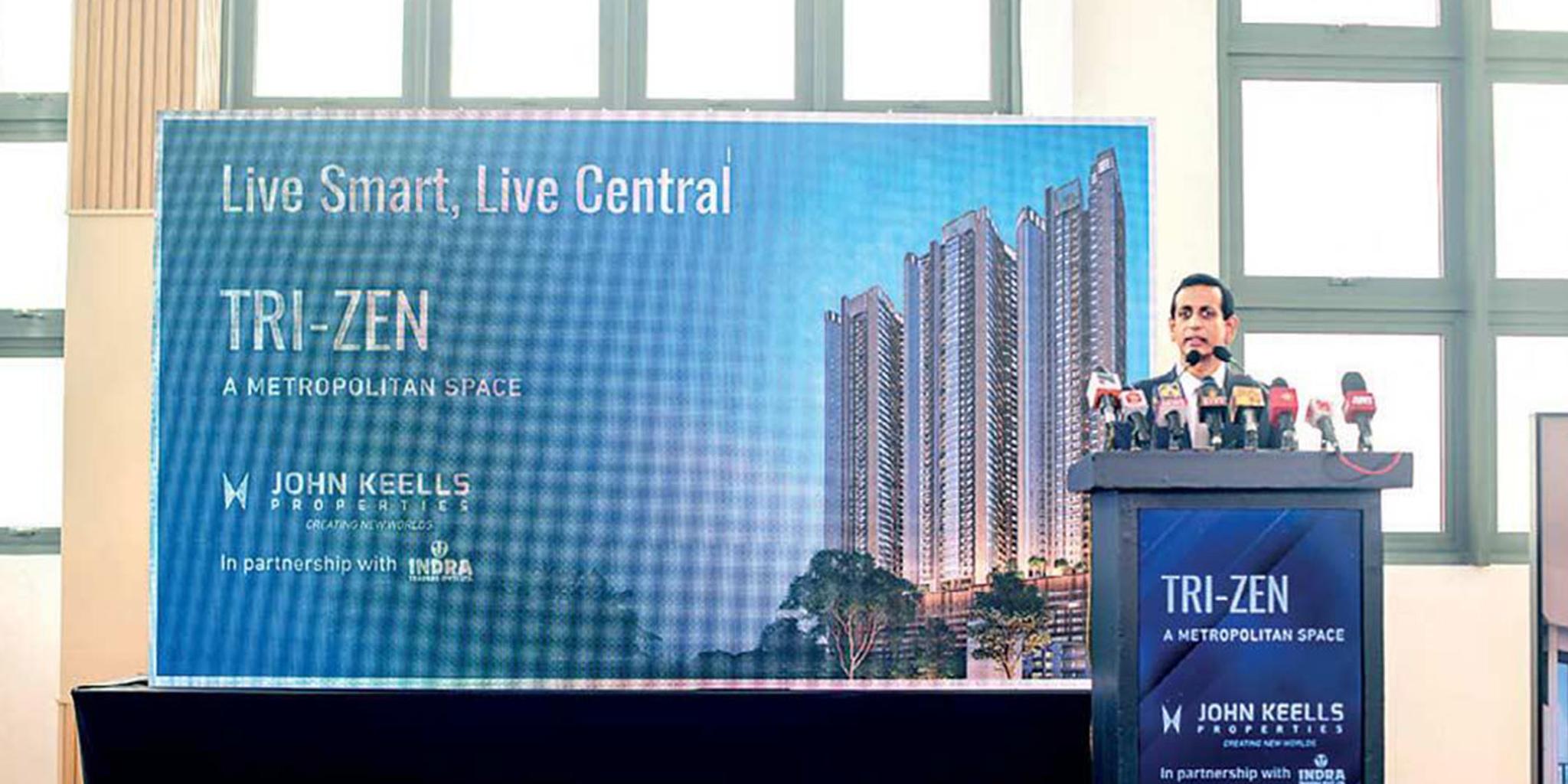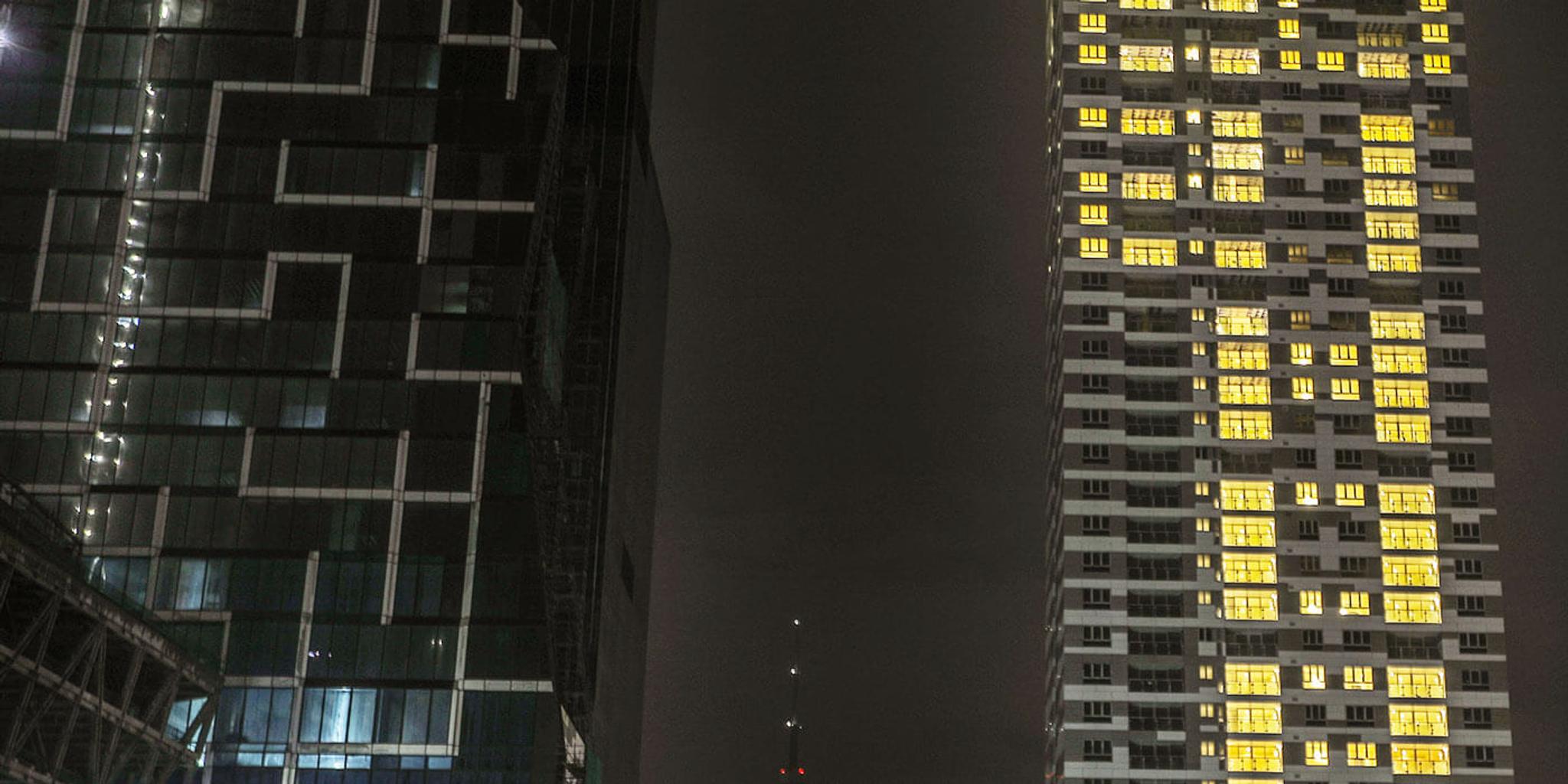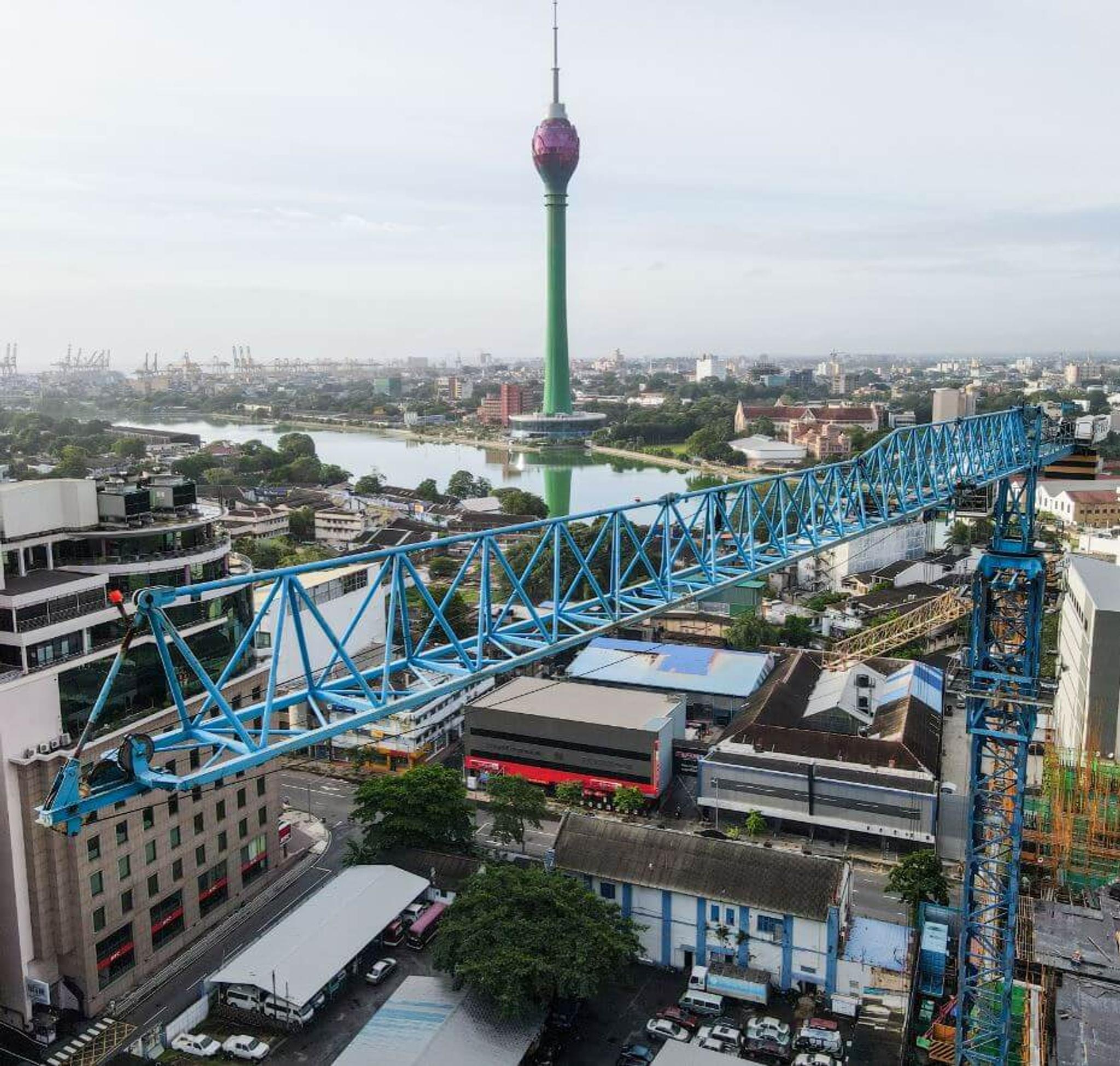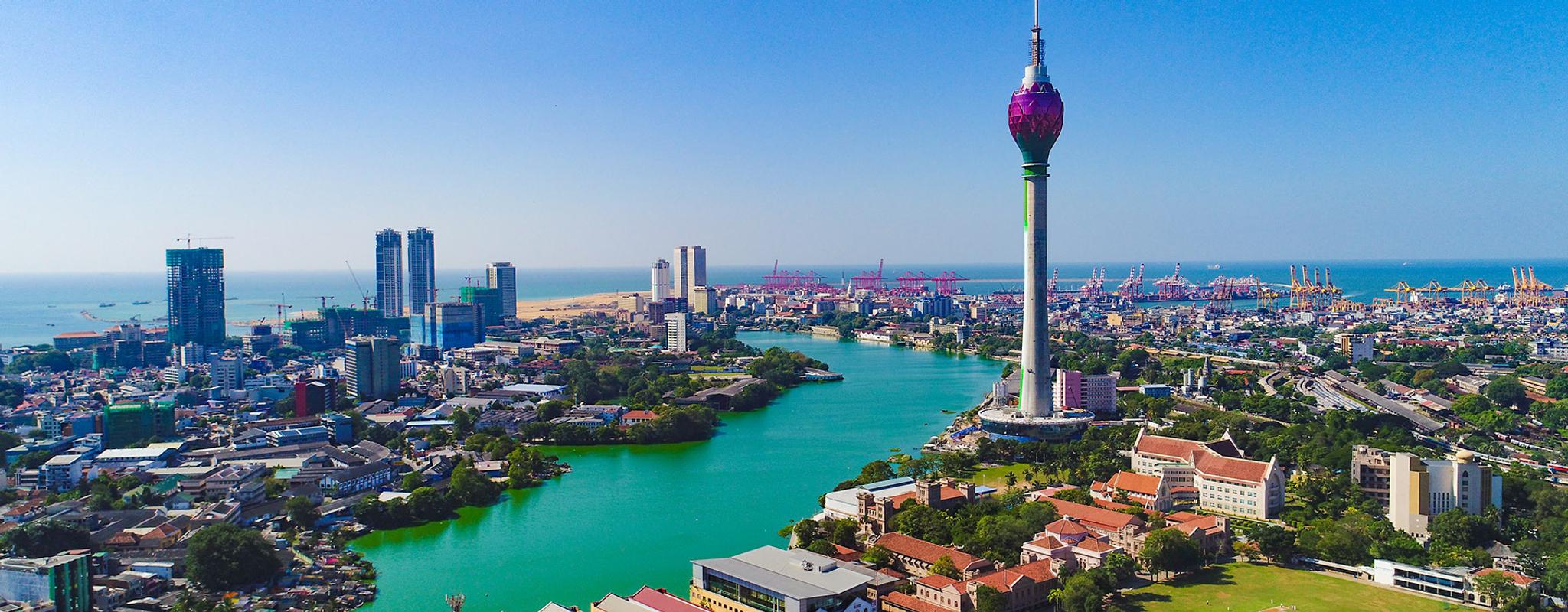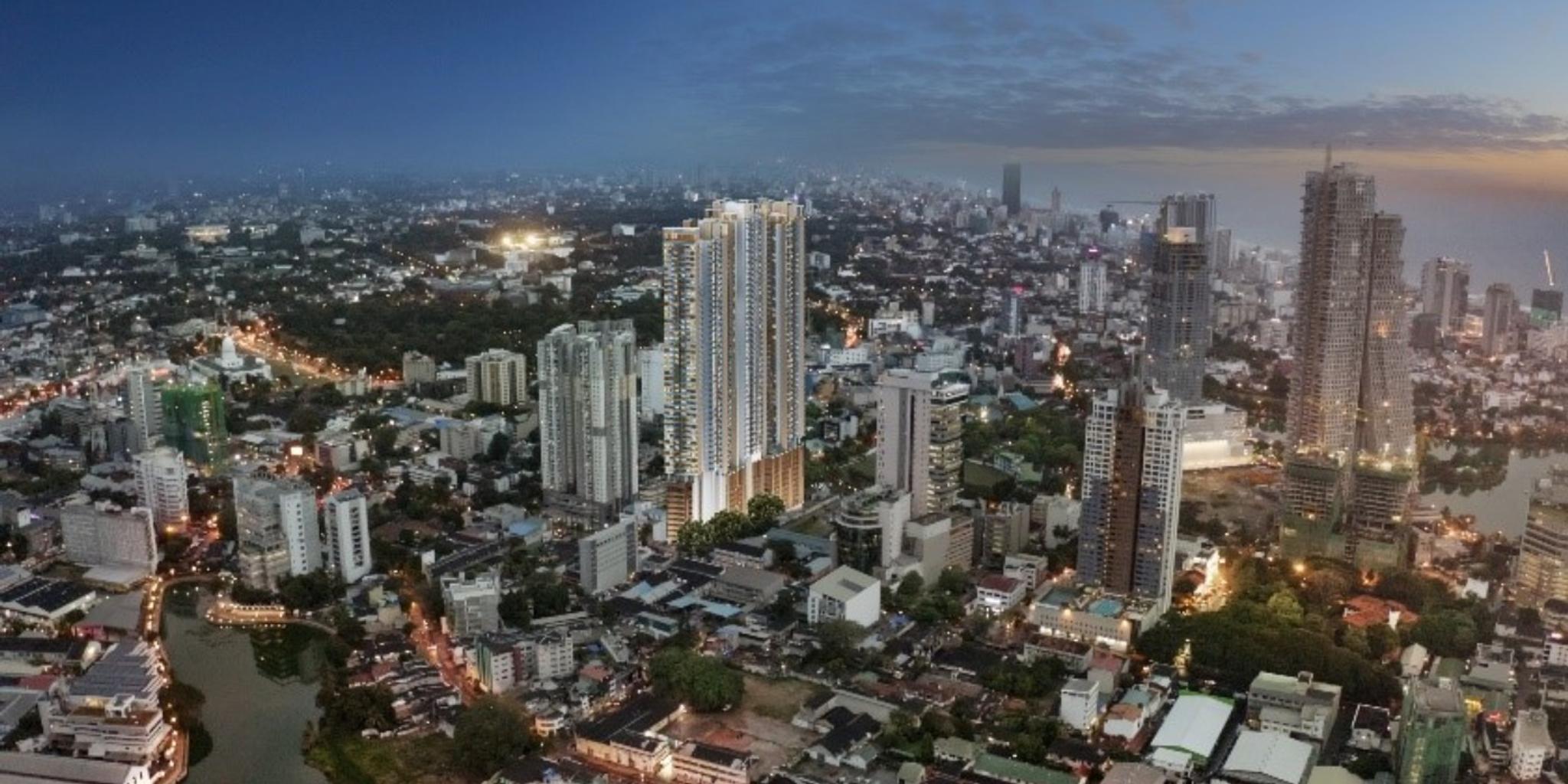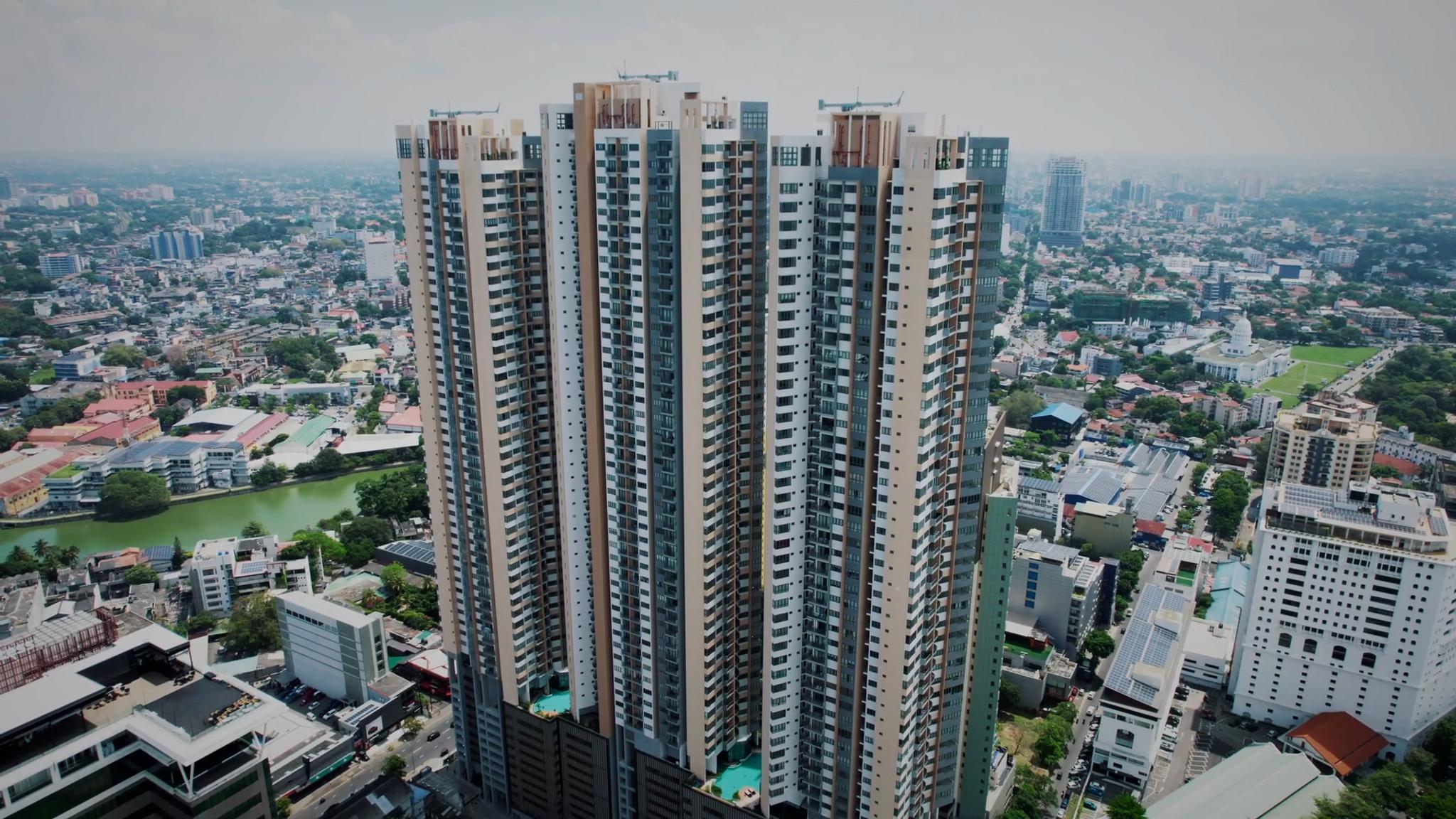
TRI-ZEN Colombo represents a pivotal moment in the evolution of urban living in Sri Lanka. A development that redefined what was possible in terms of accessibility, density, and the future of city life. Conceived during a period of strategic transformation within John Keells Properties, TRI-ZEN emerged not only as a residential project, but as a bold response to the changing realities of Colombo’s urban landscape.
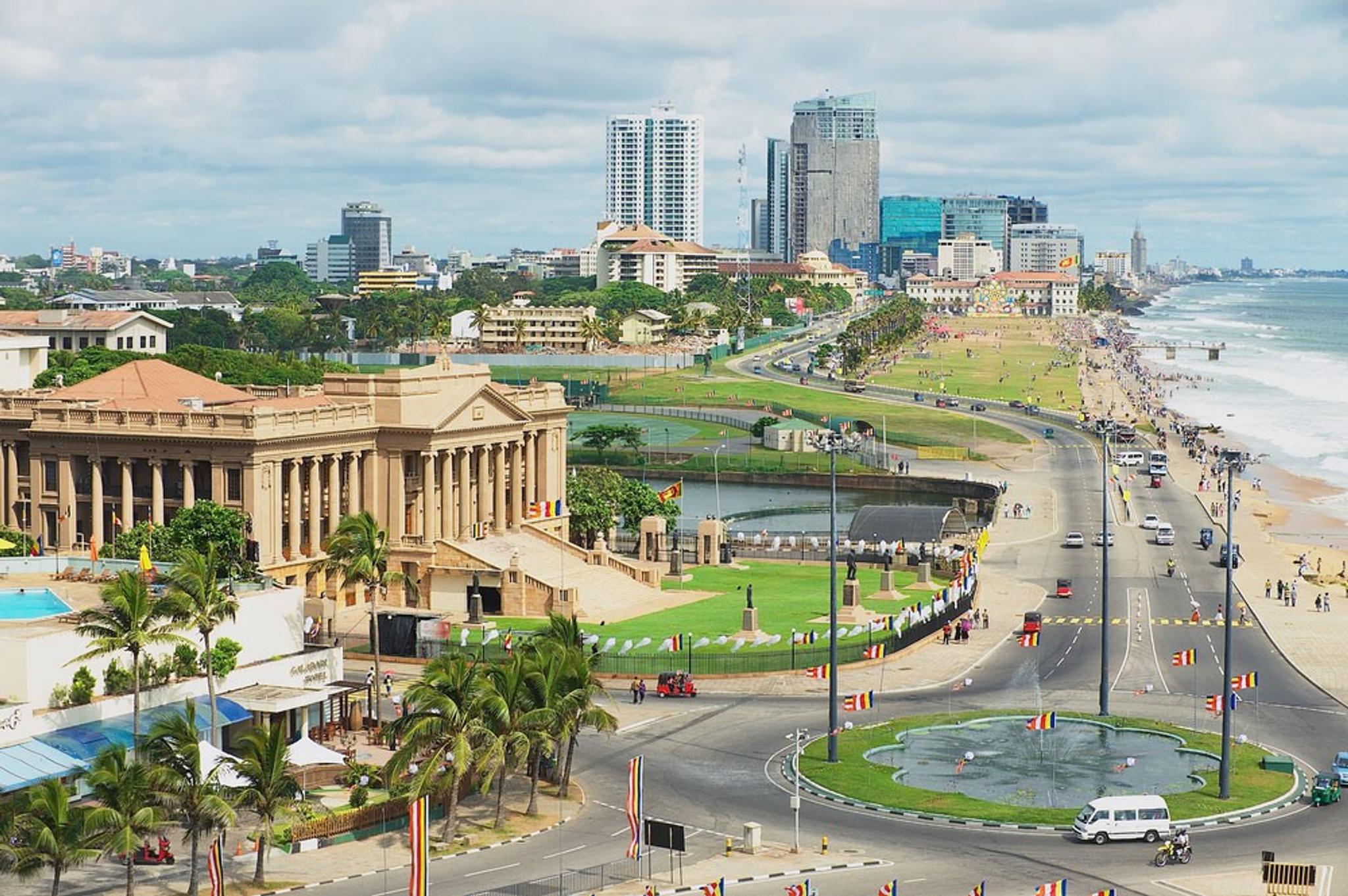
By 2017, Colombo was undergoing rapid transformation. Demographic shifts, rising land values, and increasing urbanization were reshaping housing needs, particularly in the city’s core. Recognizing these changes, John Keells Properties undertook an in-depth evaluation of housing demand, affordability, and the long-term direction of urban growth.
“We studied the market deeply, looking at demographic trends, housing patterns, and how people were living and moving within the city,” recalled Nayana Mawilmada, President of John Keells Properties. “What became clear was that there was strong demand to live in the heart of Colombo, but affordability remained a major barrier.”
This insight formed the foundation of TRI-ZEN. The project was envisioned as a highly efficient, high-density residential development that could deliver the benefits of city living at a more accessible price point. It challenged traditional assumptions about apartment design and urban housing.
“The question was how to engineer a product that was extremely efficient, without compromising the living experience,” Nayana explained. “We wanted to create homes that more people could afford, while still delivering quality, comfort, and a strong sense of community.”
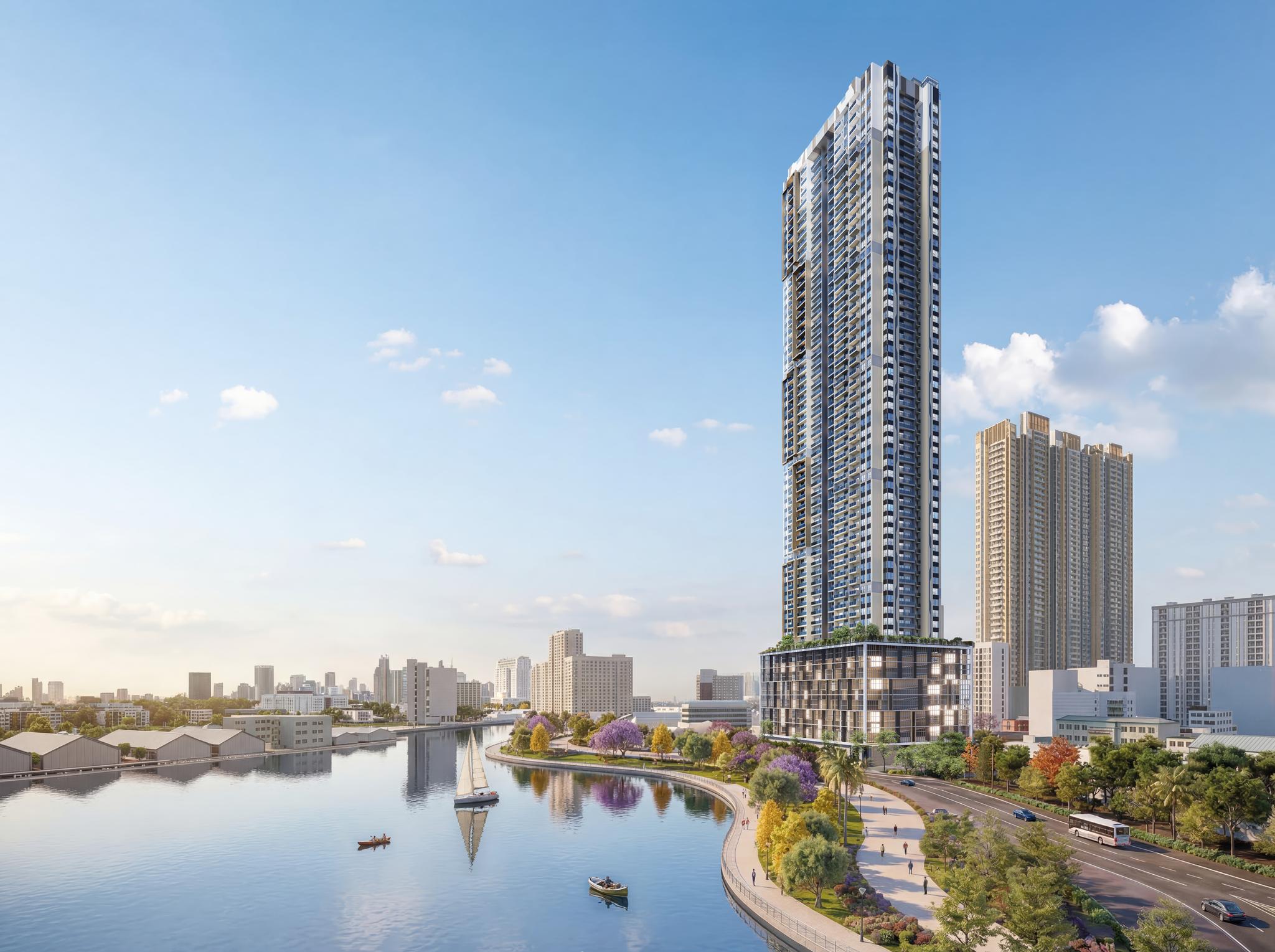
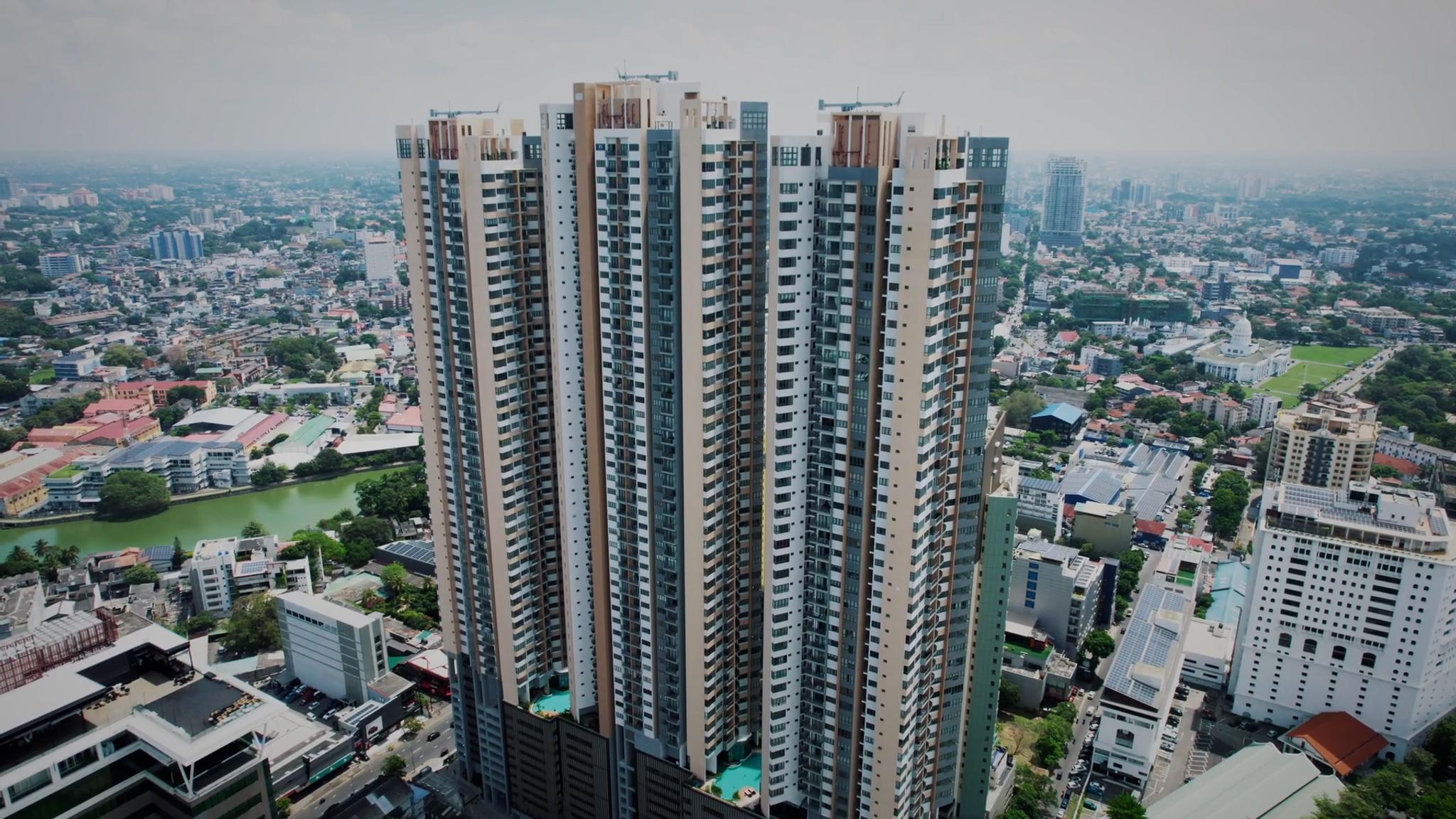
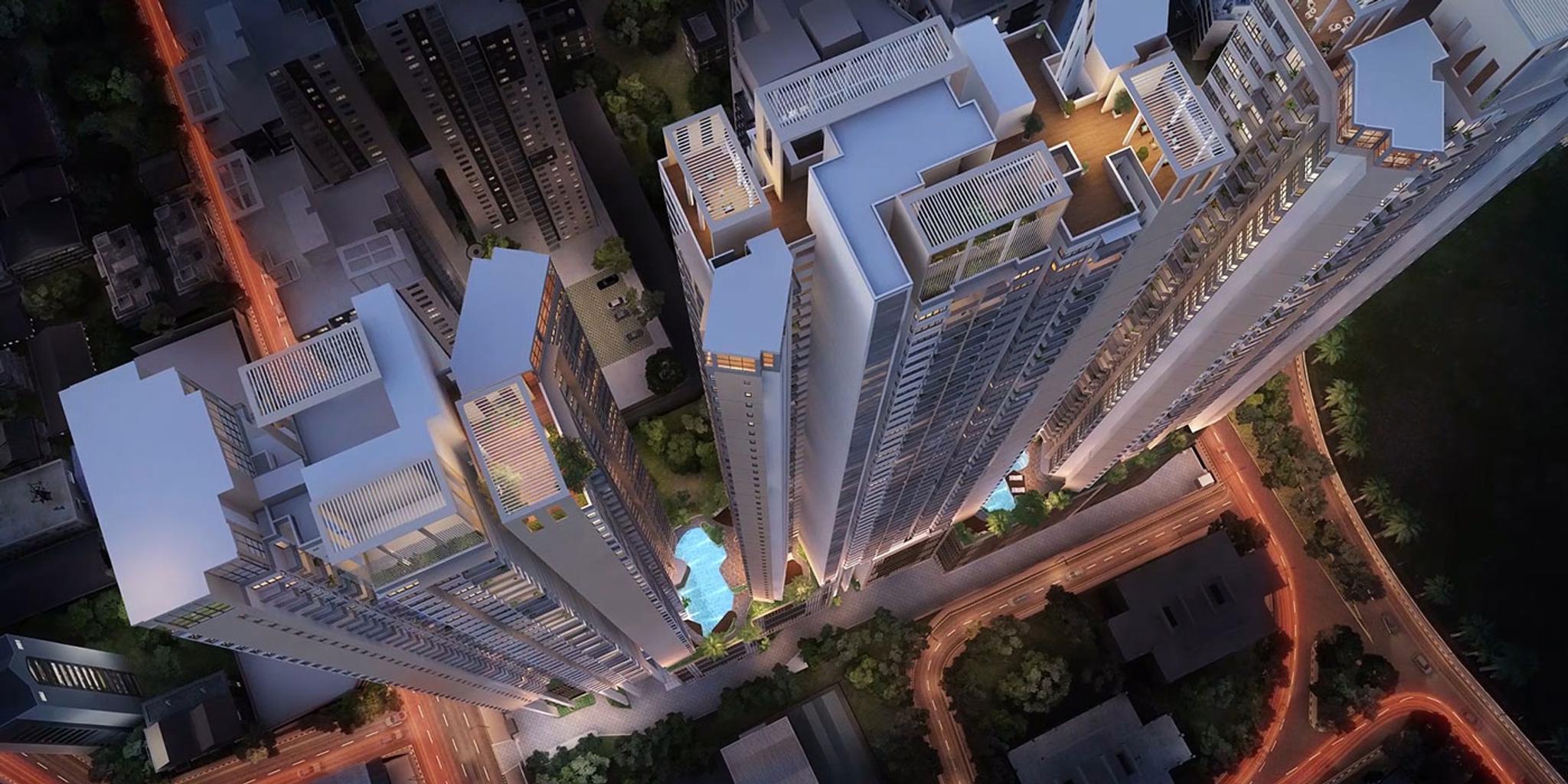
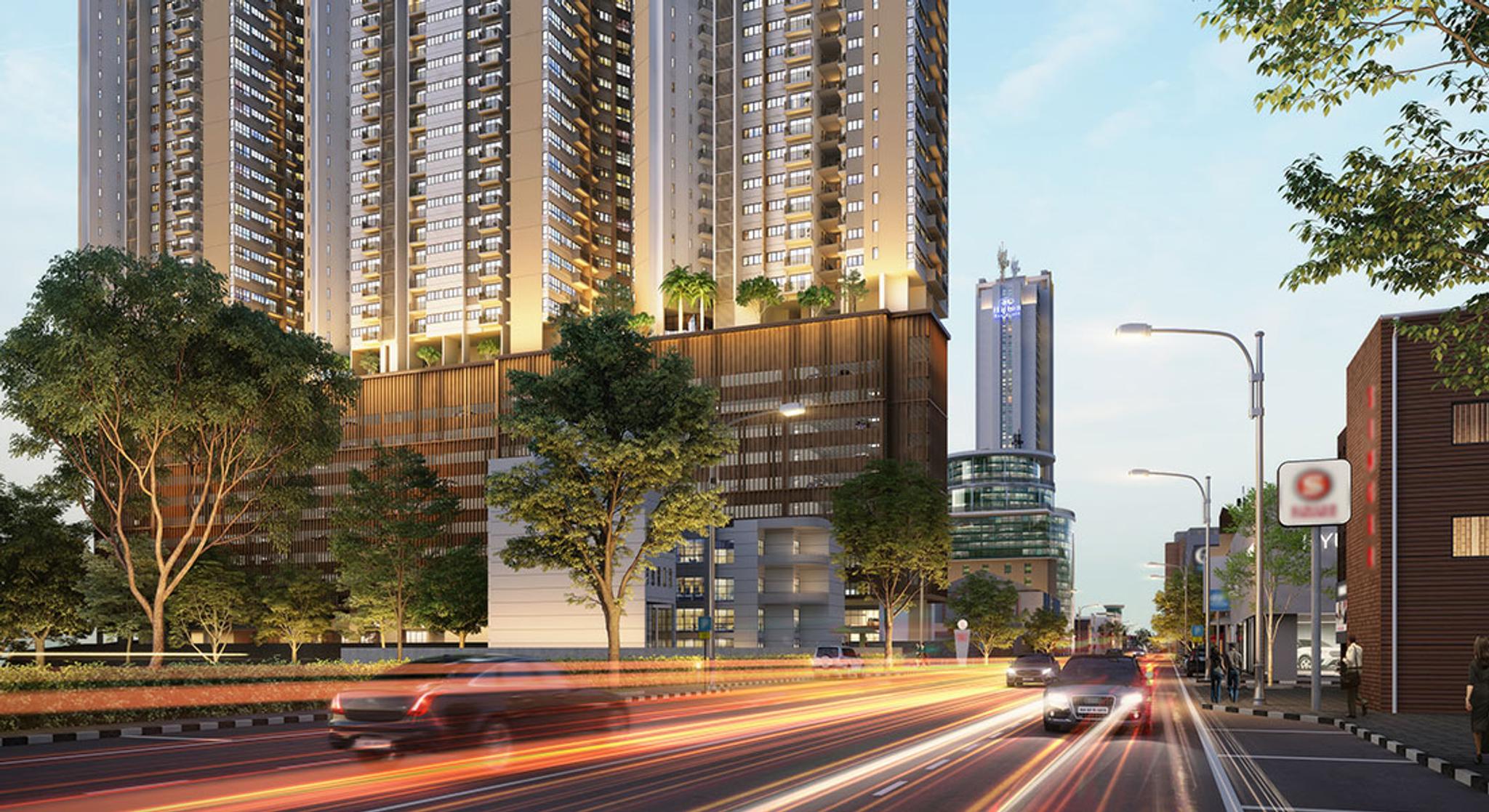
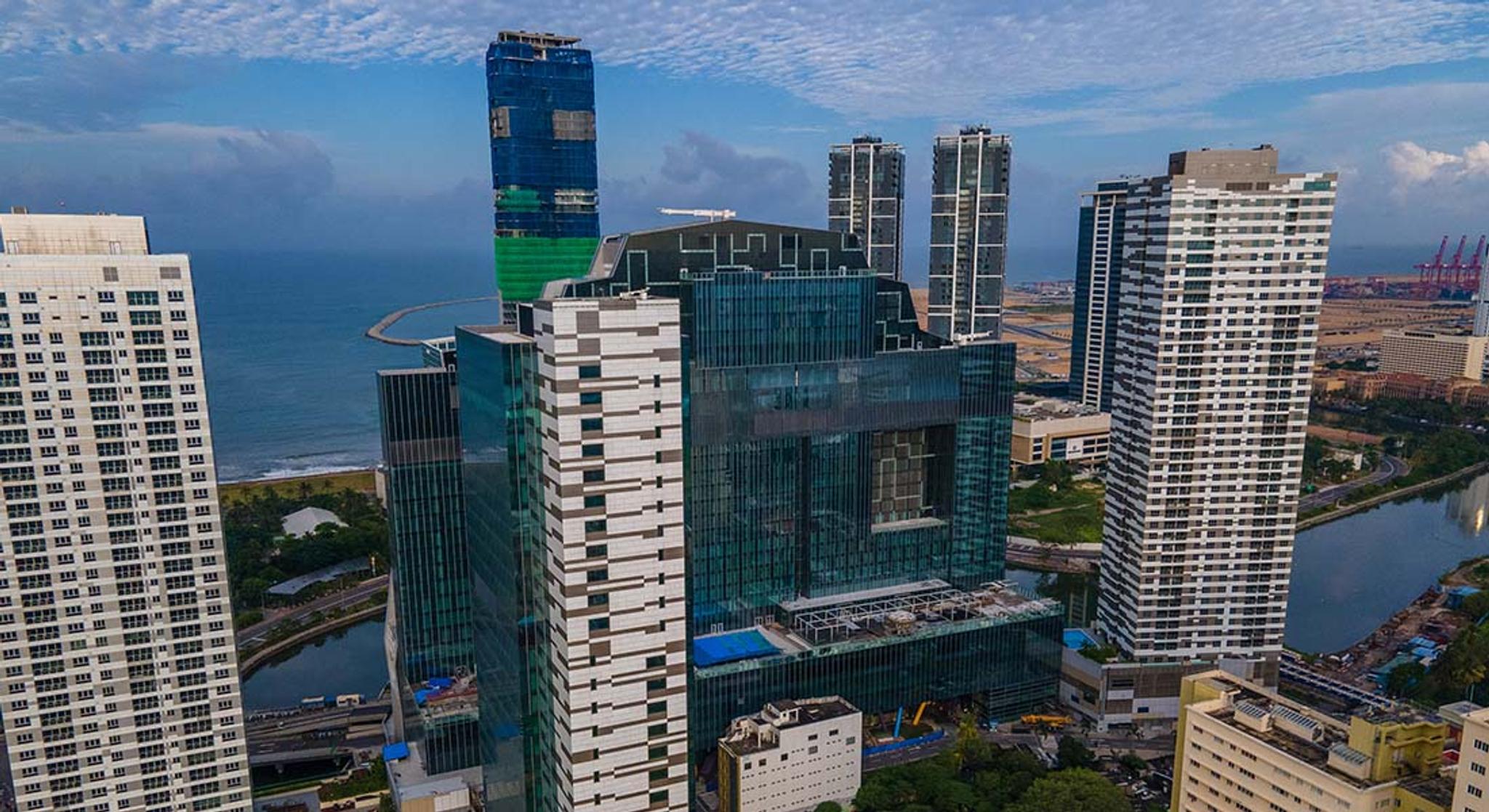
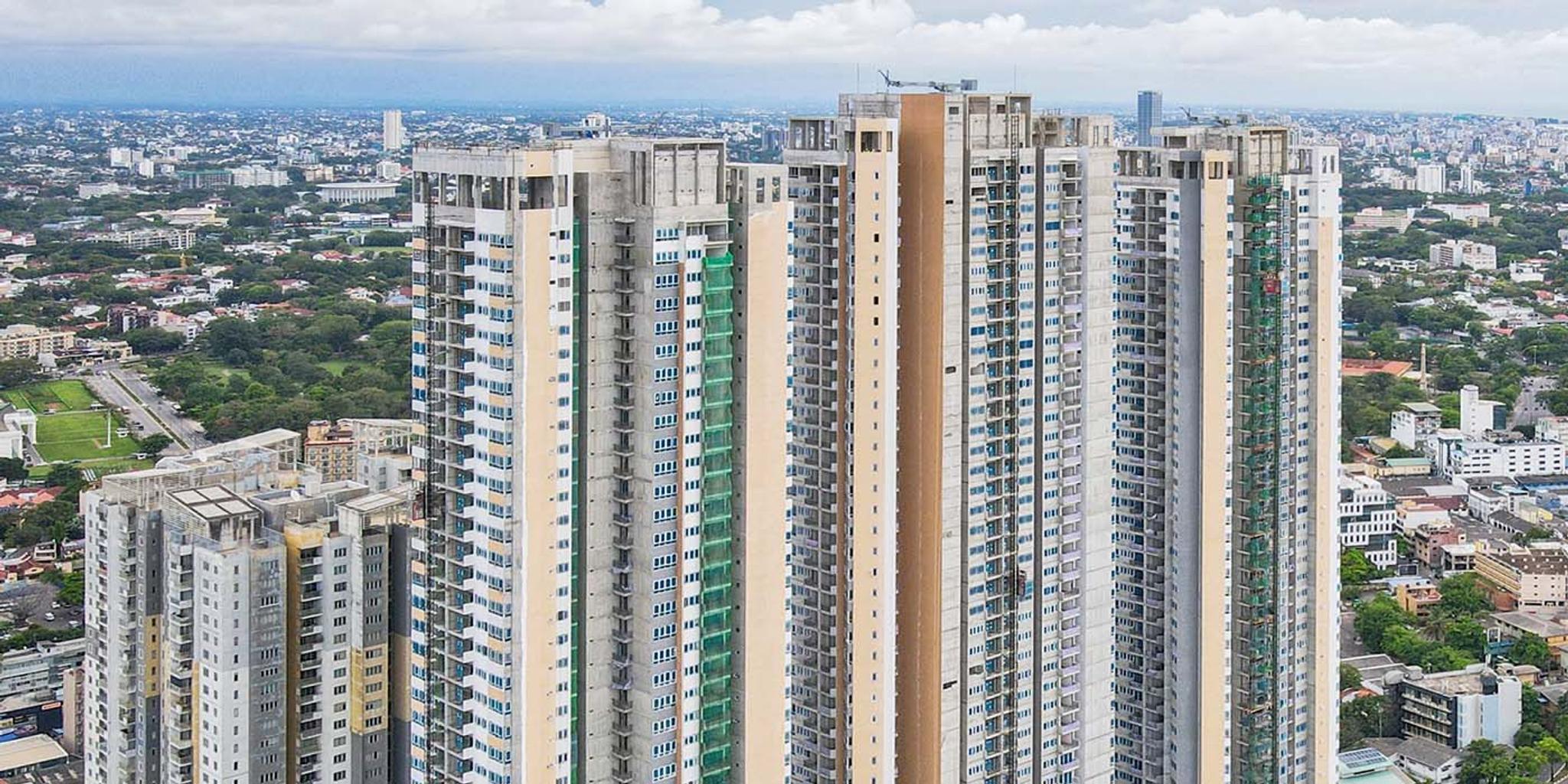
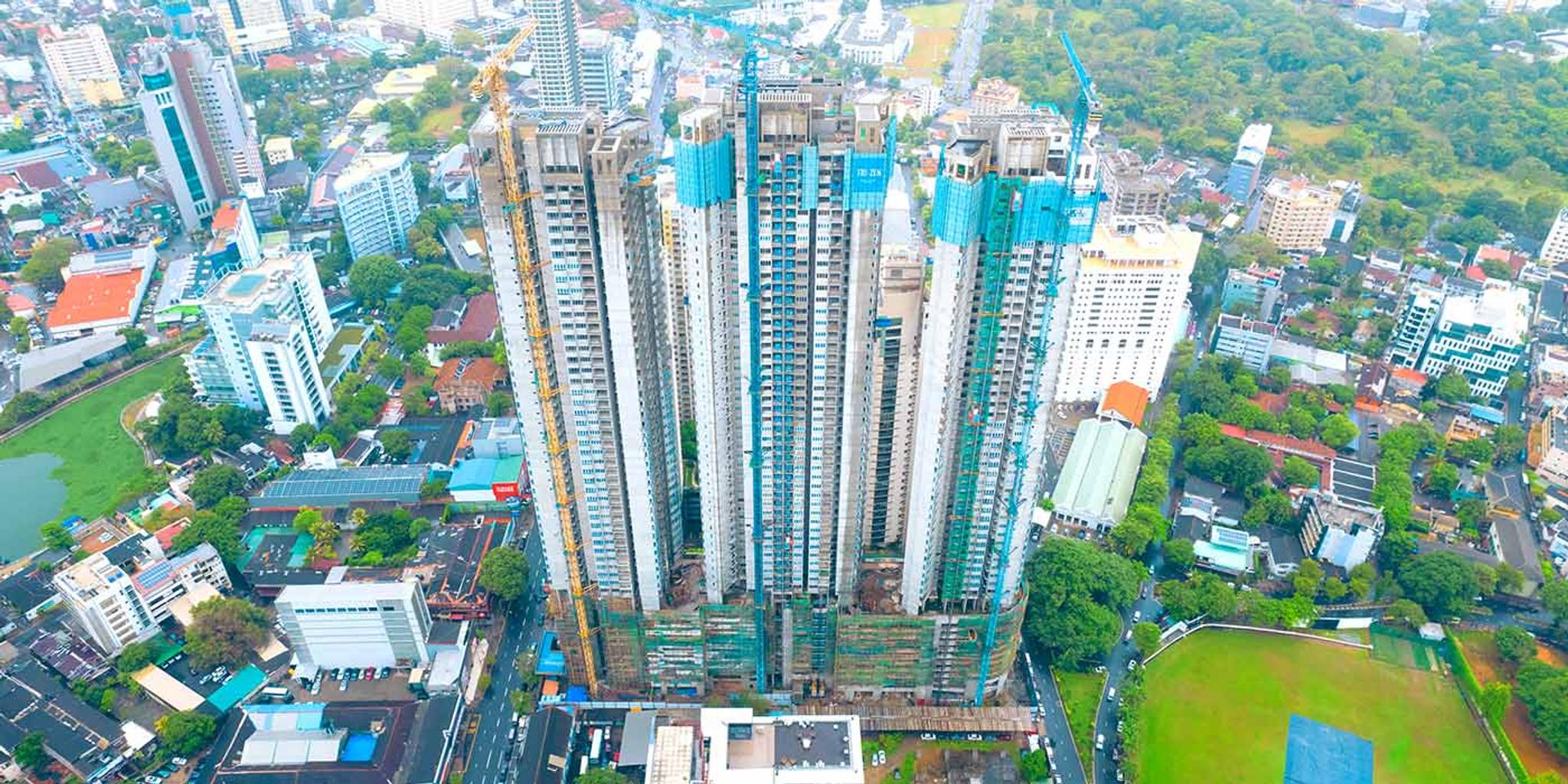
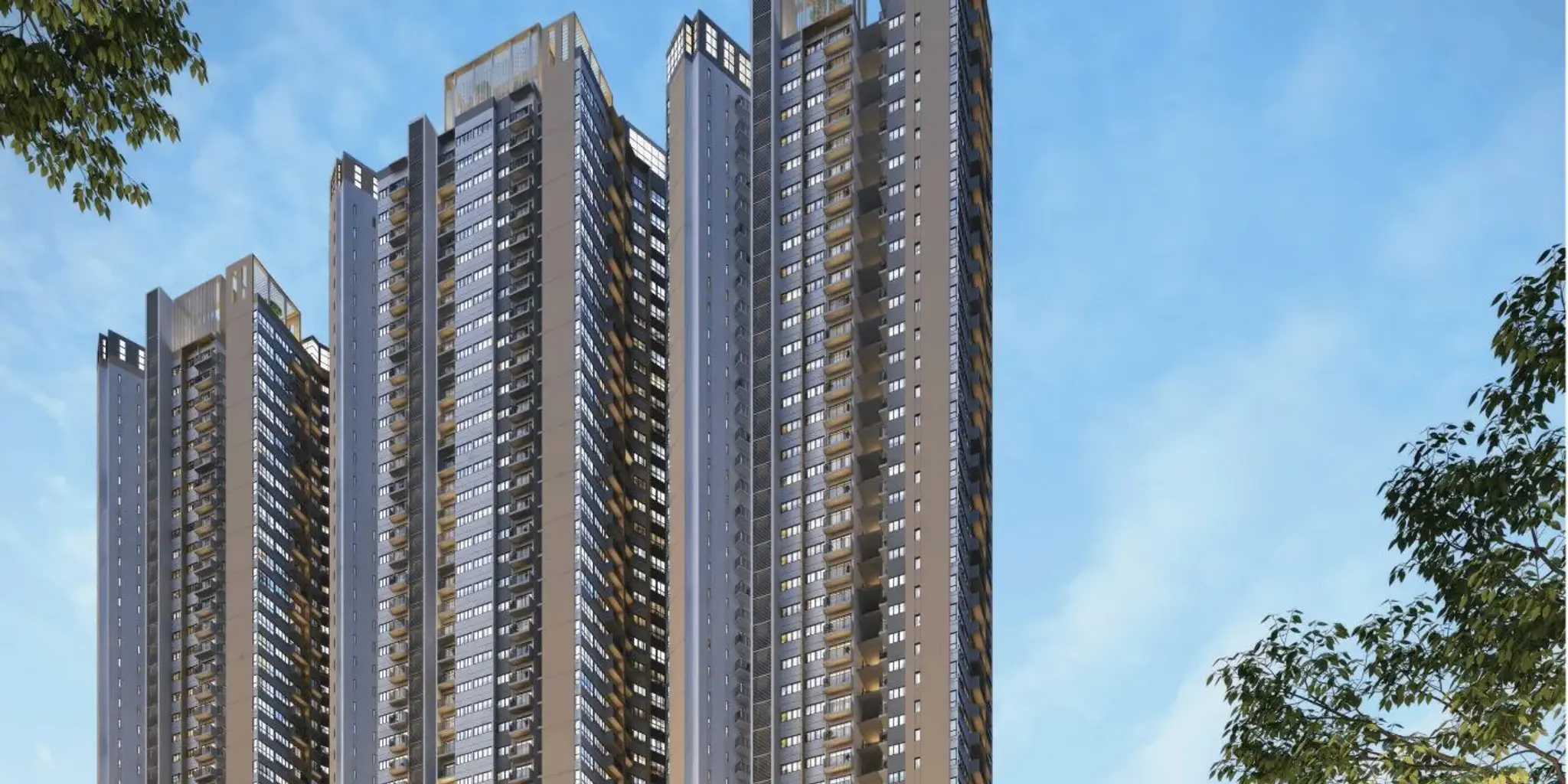
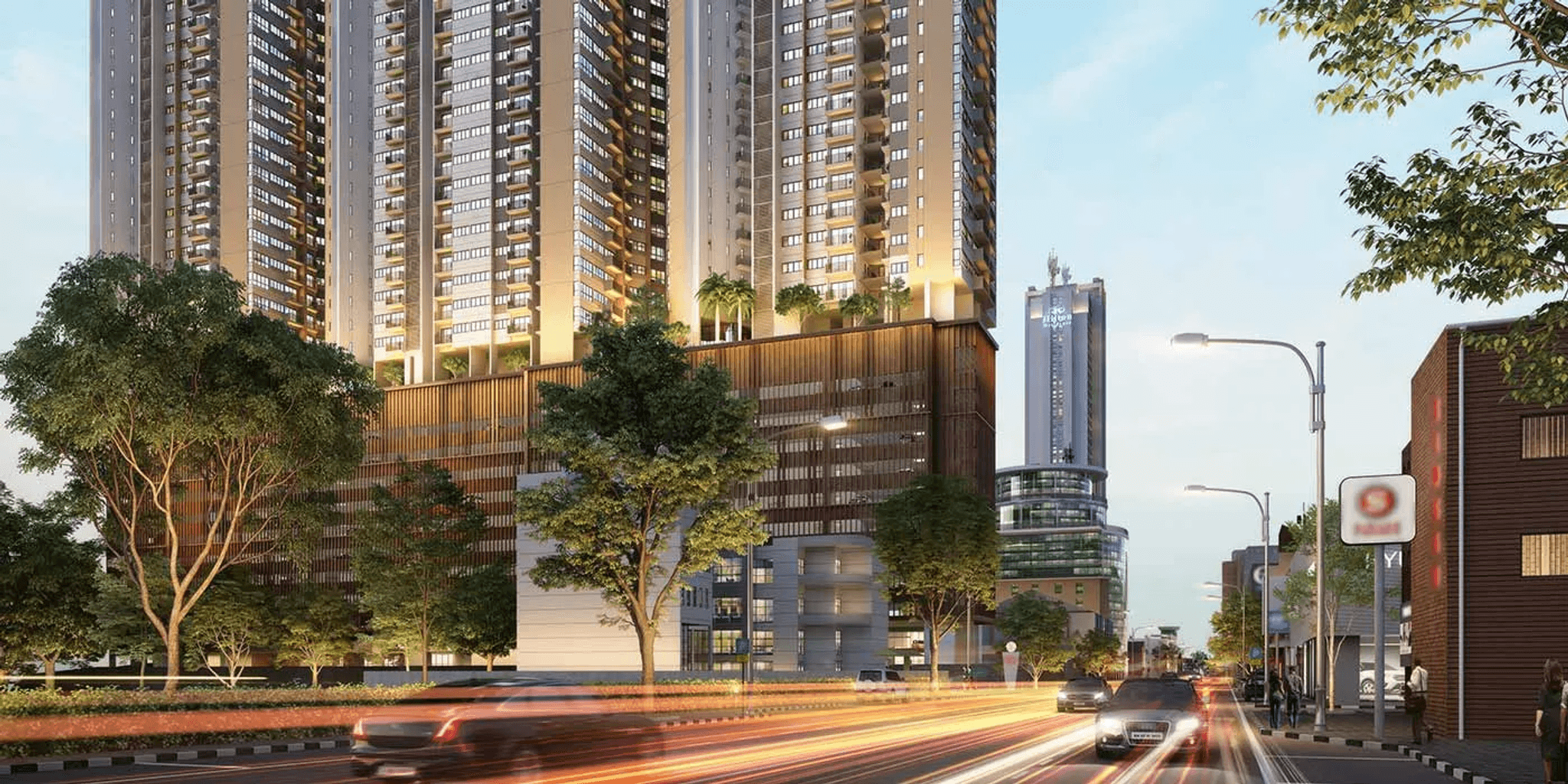
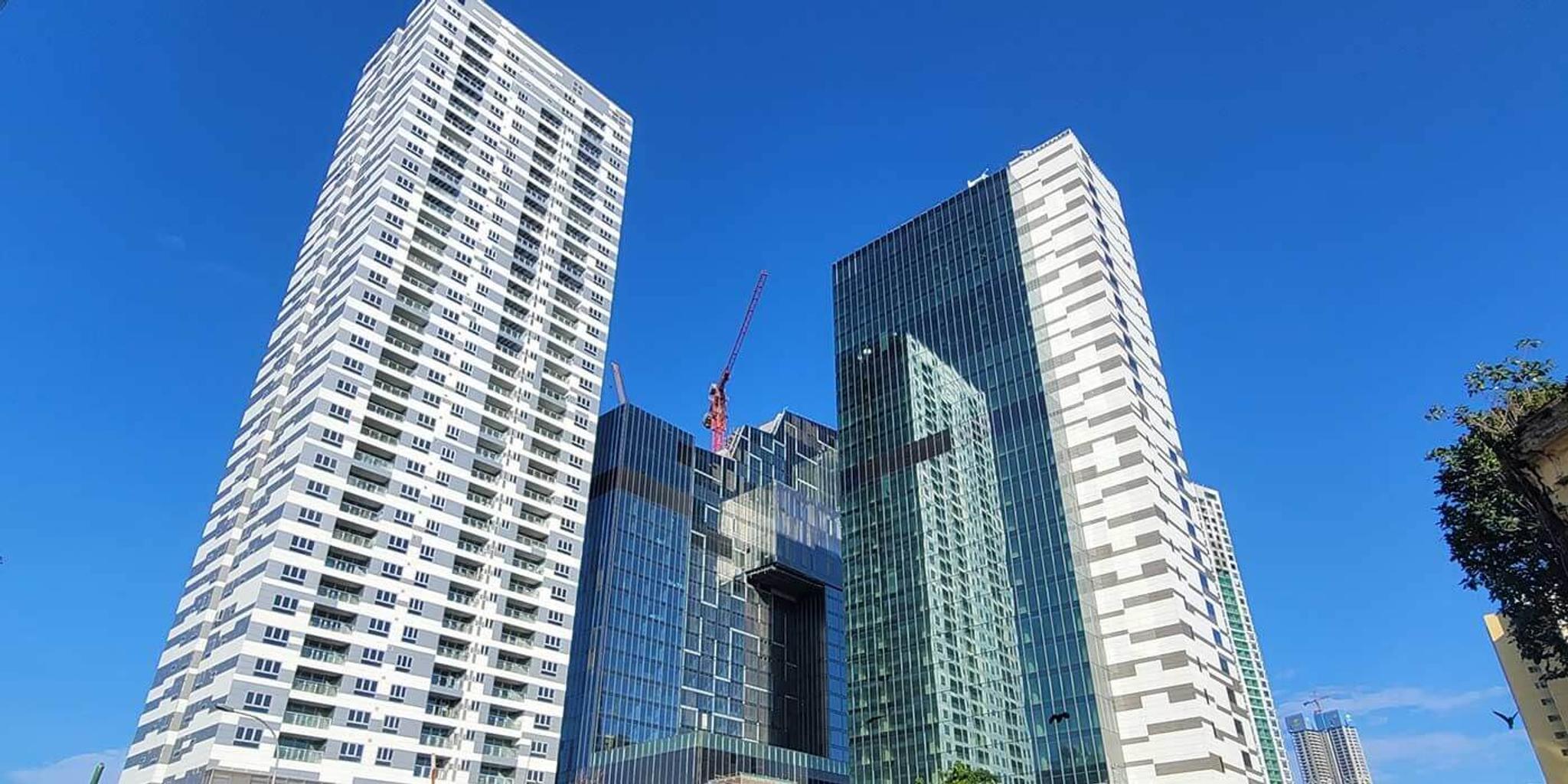
Located in Union Place, TRI-ZEN introduced a new scale and density of residential development to Colombo. Rising nearly 200 meters, with 897 apartments on a compact site, it became the densest residential project ever conceived in Sri Lanka at the time, a bold and unprecedented undertaking.
“Many people thought it was not possible,” Nayana reflected. “We were proposing something entirely different, a highly efficient building, at a price point significantly below comparable developments in the same location.”
The ambition extended beyond affordability. TRI-ZEN sought to redefine how Sri Lankans perceived apartment living, particularly for those accustomed to single-family homes.
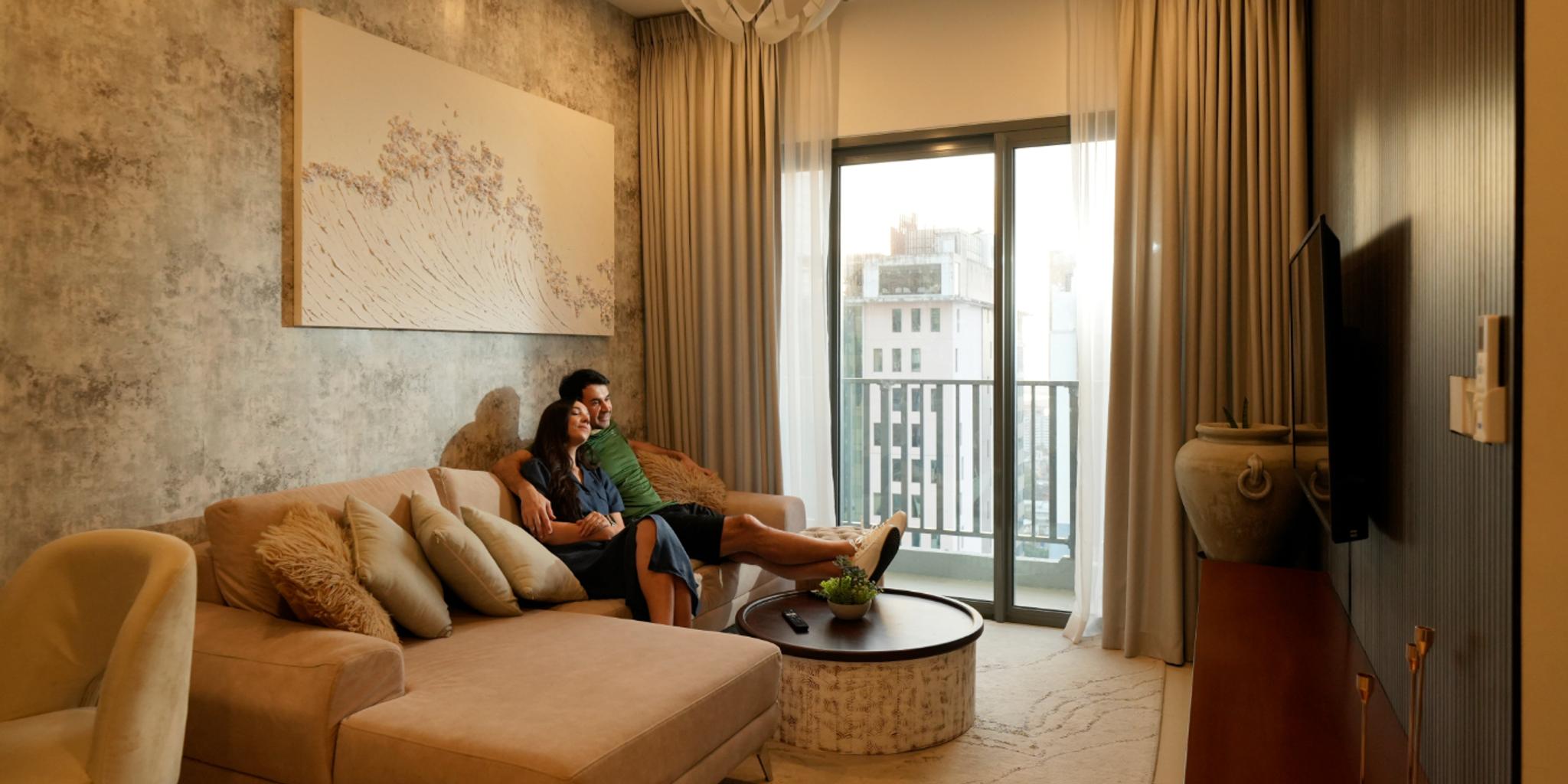
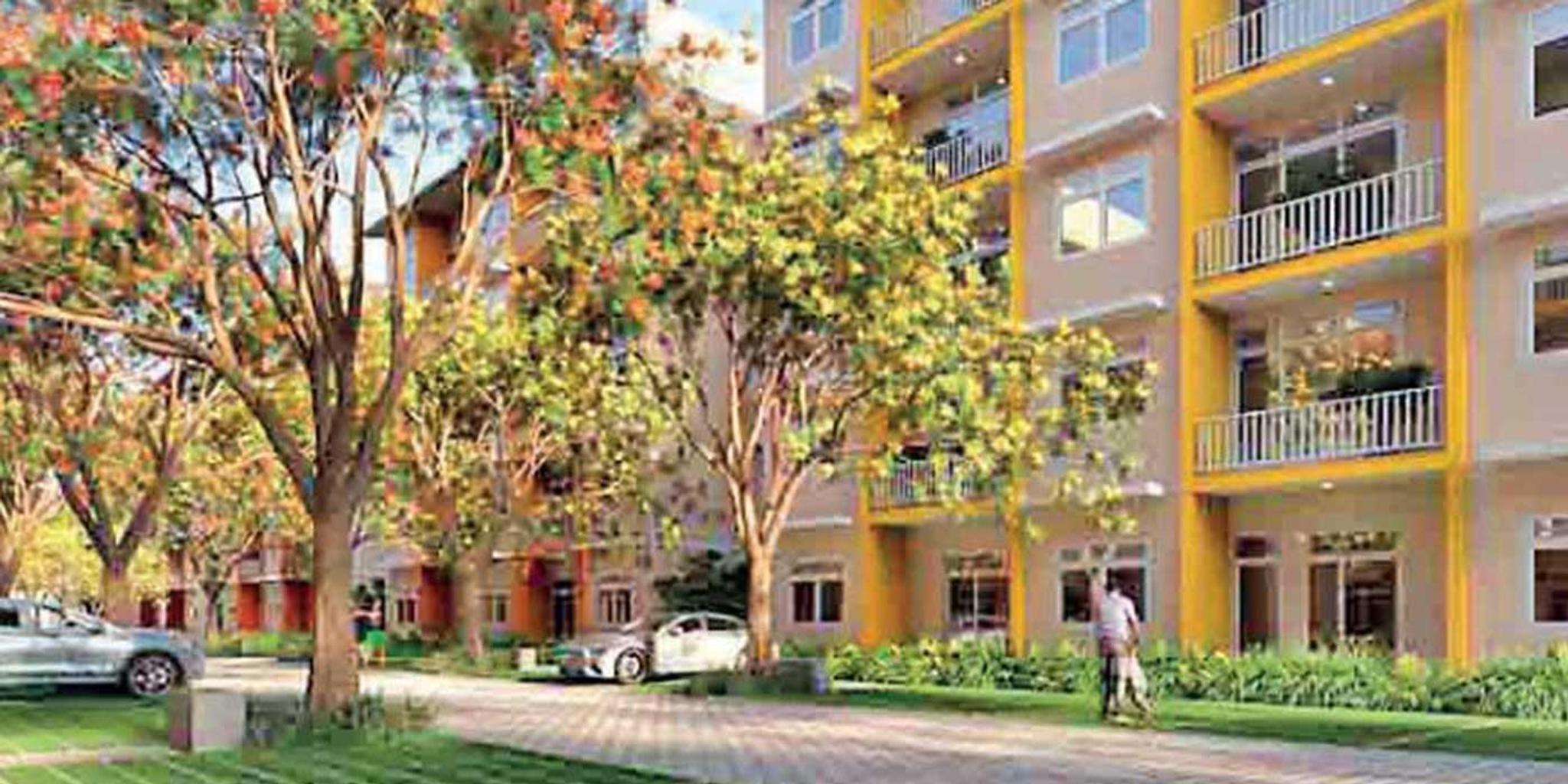
“A key part of the vision was encouraging people to embrace vertical living,” Nayana said. “We wanted to show that apartment living could offer not just convenience, but a compelling lifestyle and a sense of belonging.”
Innovation was central to achieving this goal. Every residence at TRI-ZEN was designed as a smart home. A first for a development of its scale in South Asia. The building also incorporated forward-looking infrastructure, including provisions for electric vehicle charging, anticipating the future evolution of urban mobility.
“We were not just designing for the present,” Nayana explained. “We were designing for how people would live in the future.”
Efficiency was achieved through careful engineering and design decisions. Spaces were optimized, unnecessary elements were eliminated, and every aspect of the building was reconsidered to balance functionality, cost, and livability.
“It was about challenging conventions,” Nayana noted. “We examined every detail and asked whether it was essential, or whether there was a better way to deliver value and improve the overall experience.”
Despite its clarity of vision, TRI-ZEN faced significant challenges. Convincing stakeholders, partners, and even internal teams of the feasibility of such a development required persistence and belief.
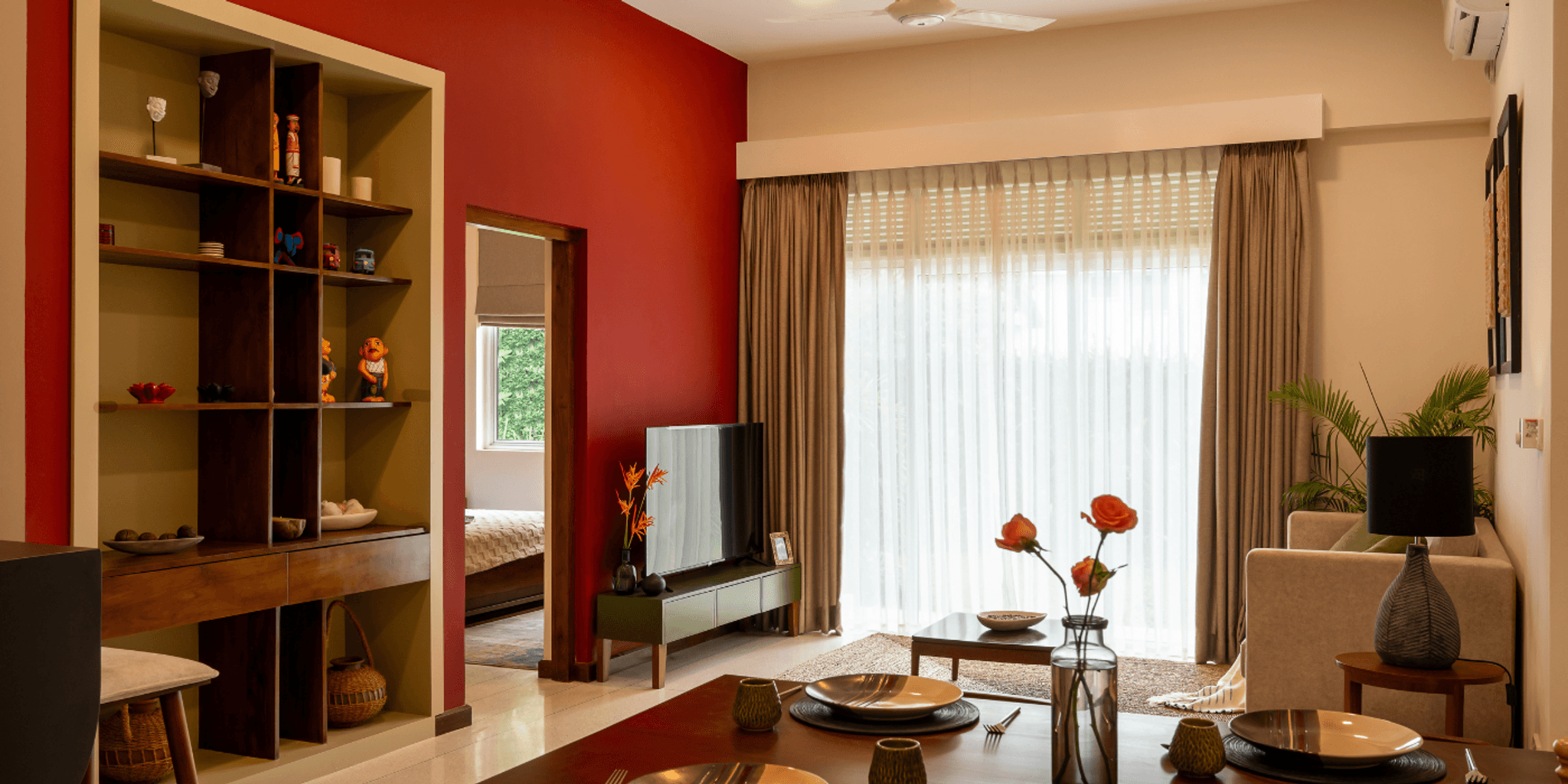
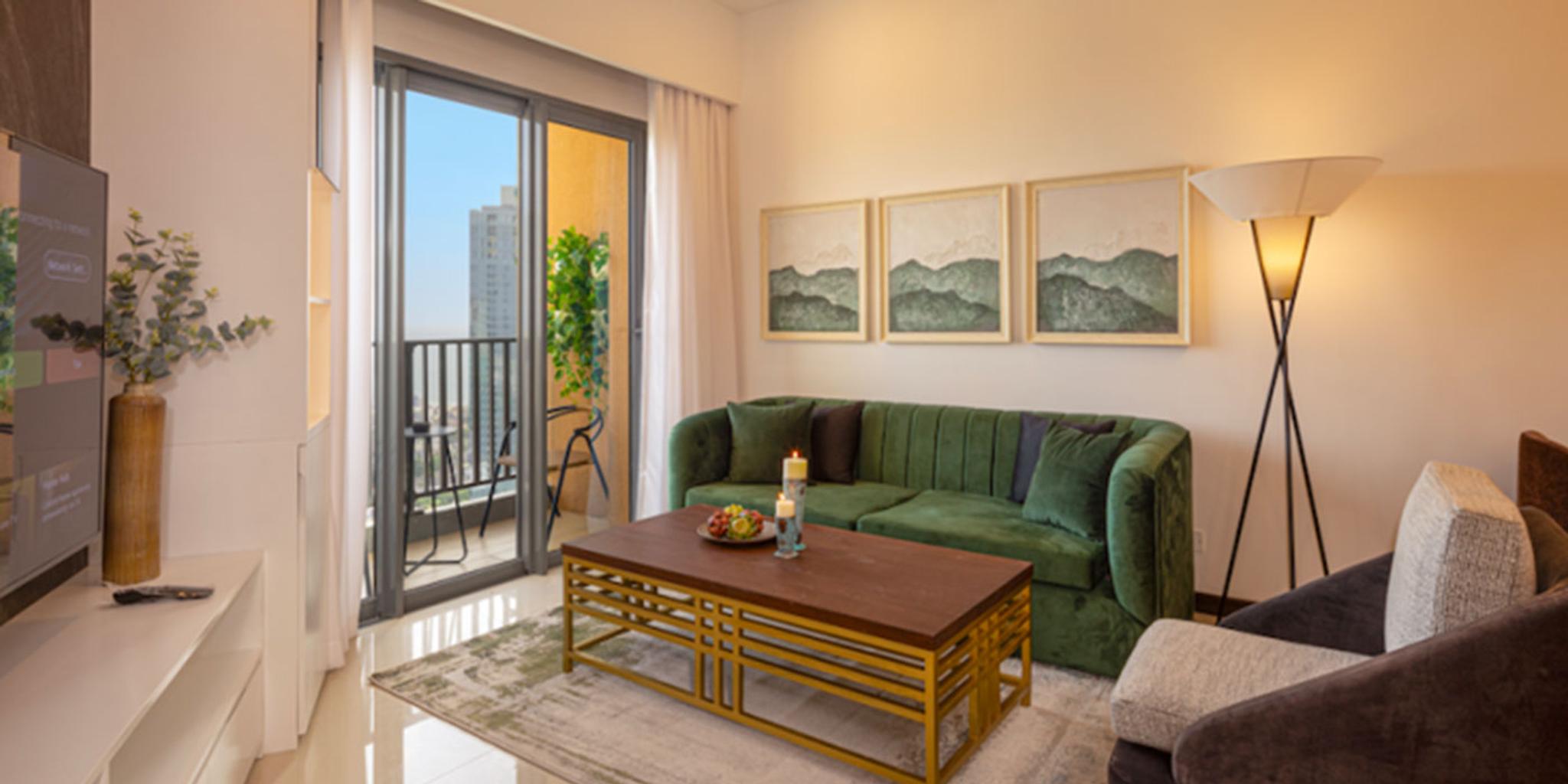
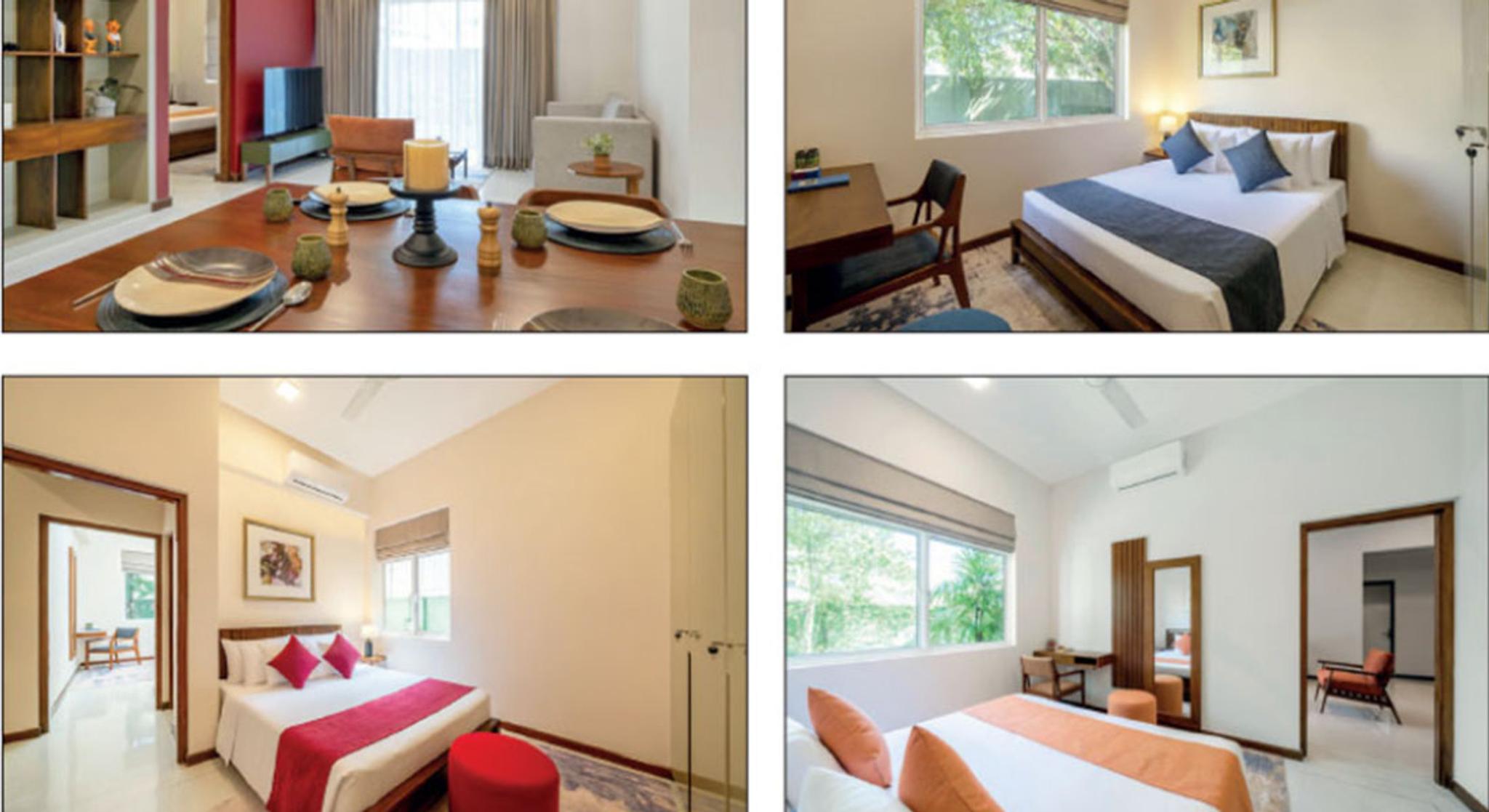
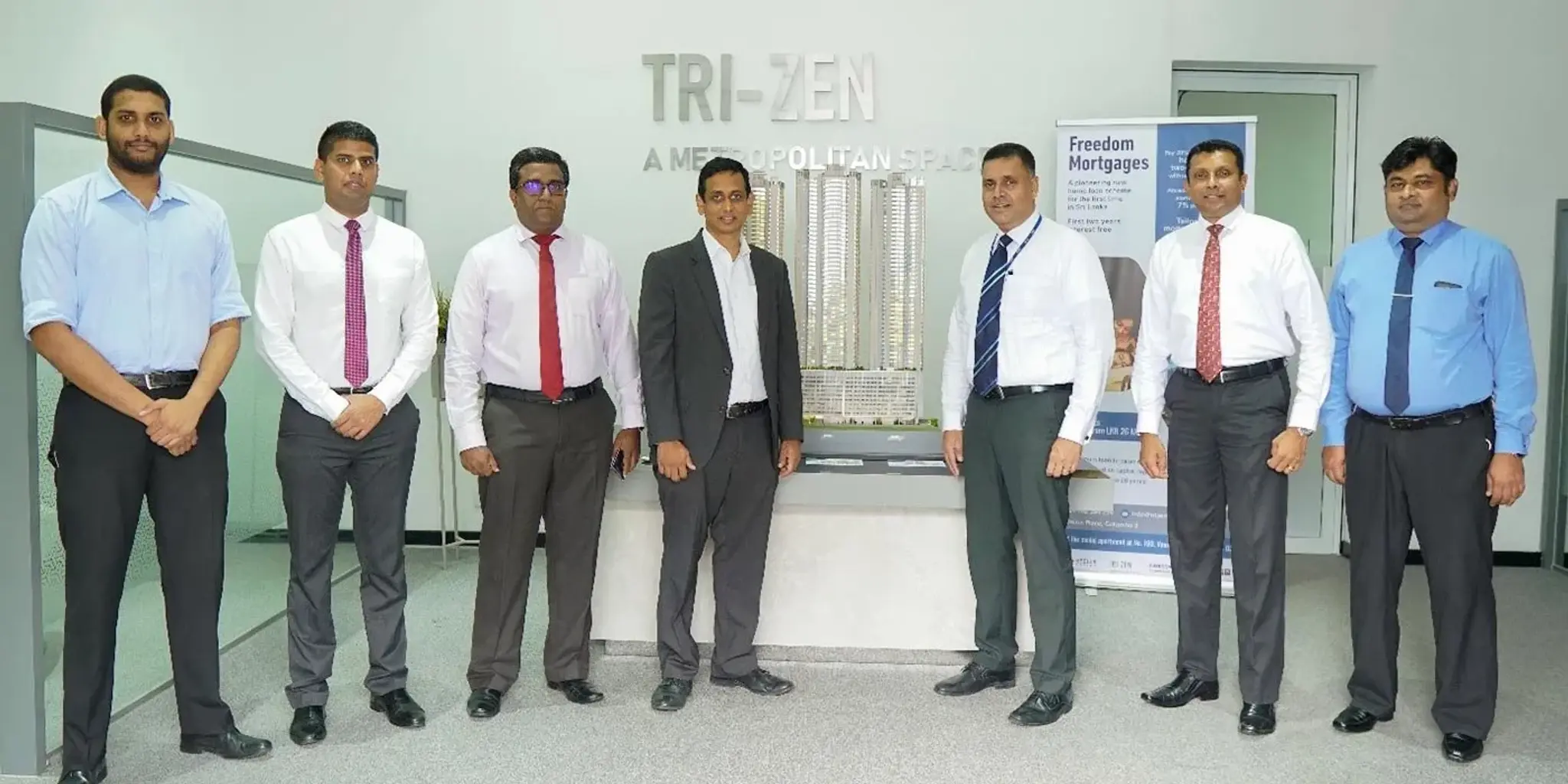
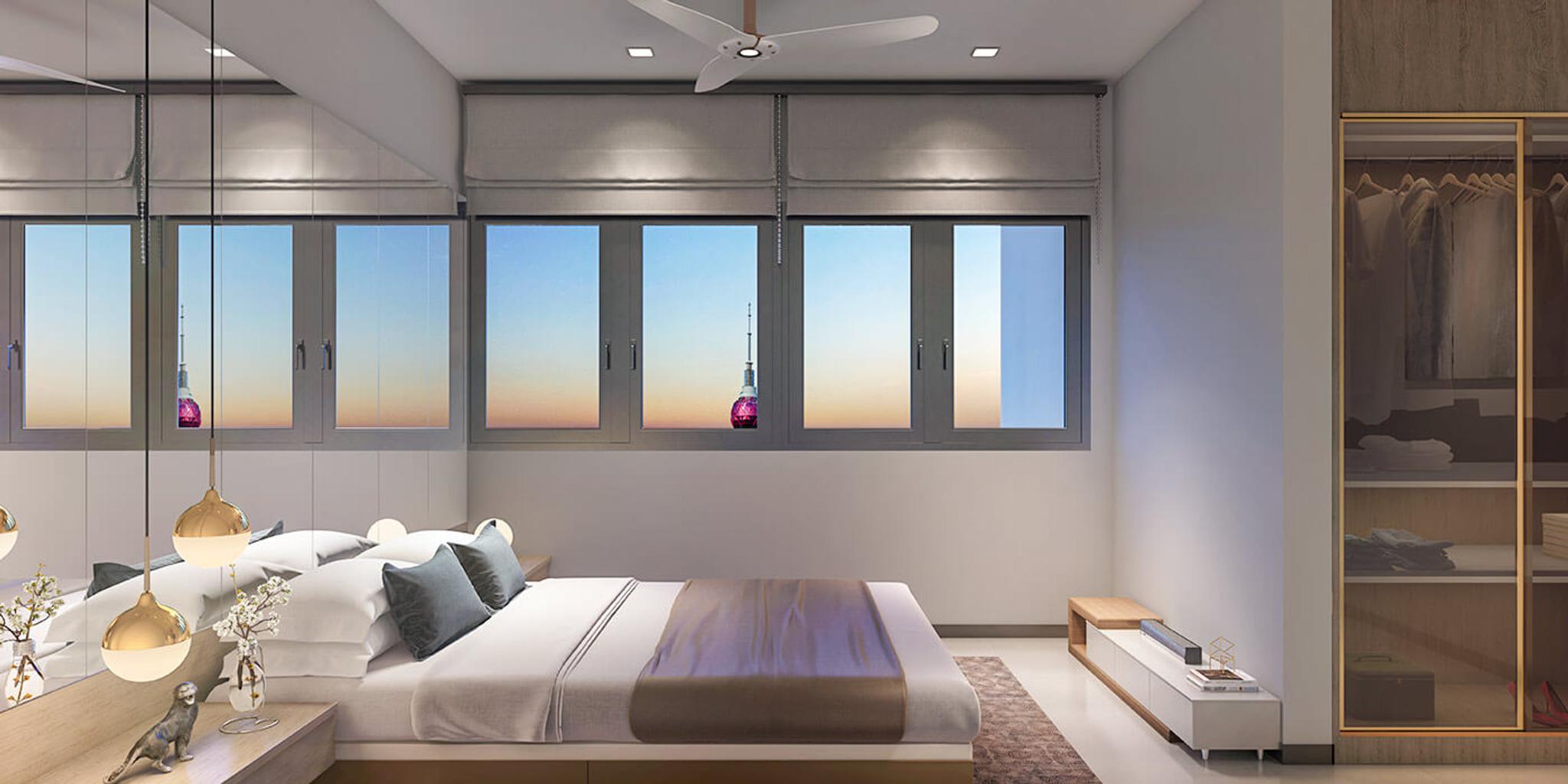
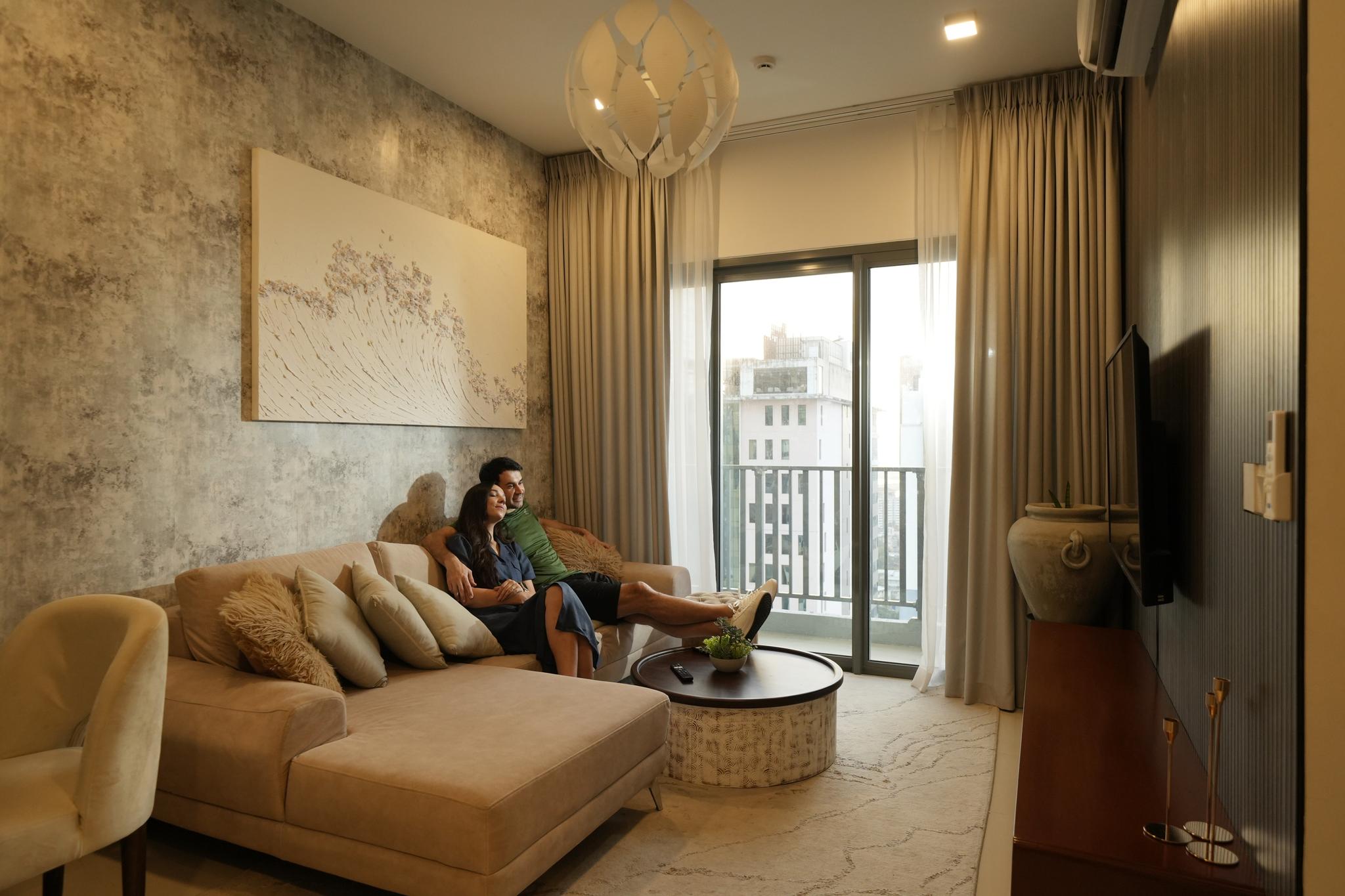
“People needed to see it to understand it,” Nayana recalled. “When we built the show apartments, there was a moment of realization. People saw how thoughtful design could transform efficient spaces into comfortable homes.”
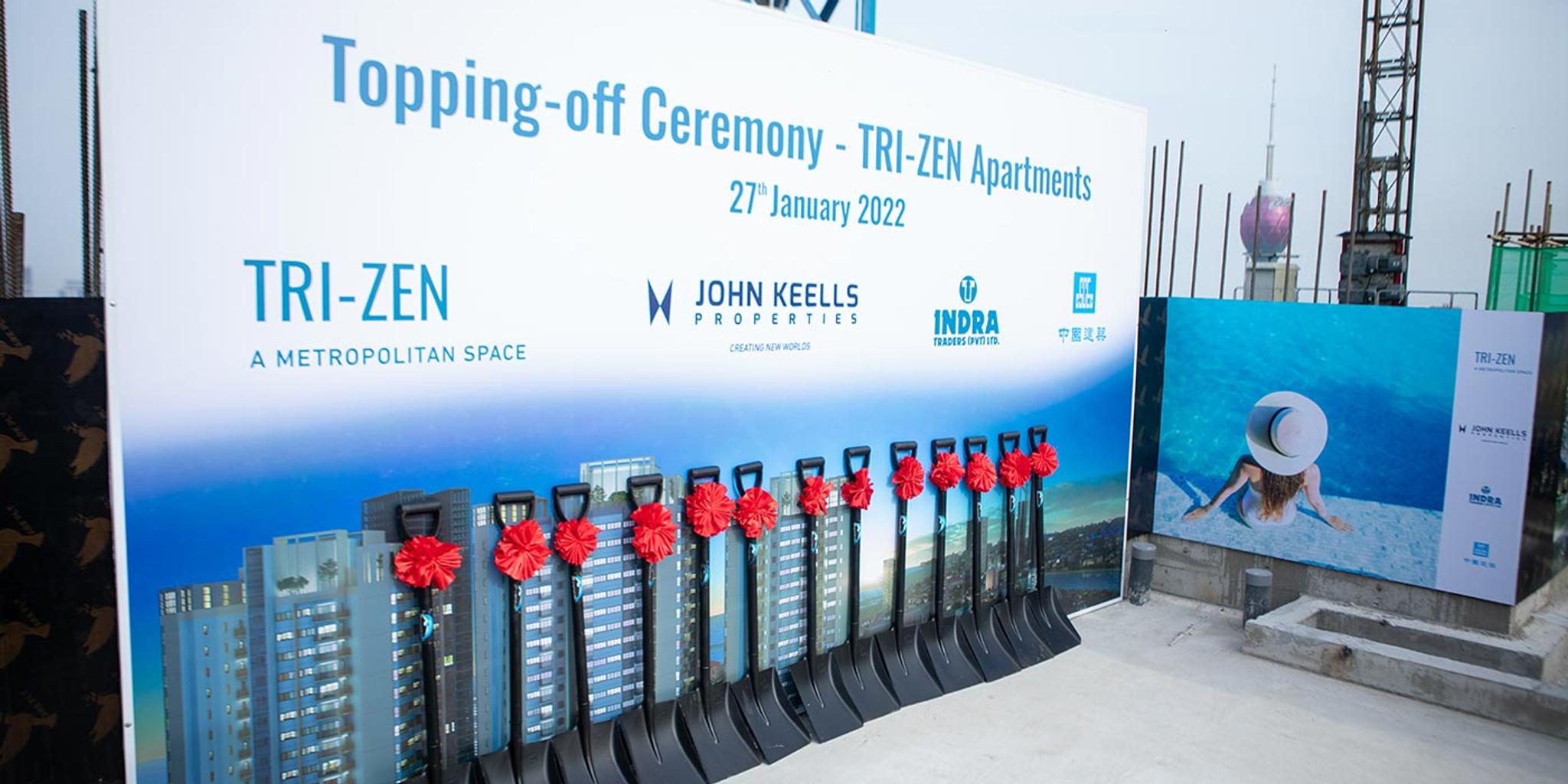
The project’s construction coincided with some of the most turbulent periods in Sri Lanka’s recent history, including the Easter attacks, the global pandemic, and the economic crisis. These events disrupted supply chains, increased costs, and created uncertainty across the industry.
Yet, throughout these challenges, the team remained committed to delivering the project as promised.
“We made a conscious decision not to pass unexpected cost increases on to customers,” Nayana explained. “It was difficult, but it was the right thing to do. Delivering on our commitments was essential to maintaining trust.”
That trust has long been a defining principle of John Keells Properties. Strong financial governance and disciplined project management ensured that the development remained resilient even under extraordinary circumstances.
“The trust of our customers is fundamental,” said Ravi Wijewantha, Chief Financial Officer at John Keells Properties. “Financial discipline and transparency allowed us to navigate difficult periods while continuing to deliver value.”
Beyond its physical presence, TRI-ZEN has played a significant role in shaping Colombo’s urban future. It demonstrated that high-density residential living could be both viable and desirable, creating a vibrant and connected community in the heart of the city.

“The true measure of success is how the market responds,” Nayana reflected. “TRI-ZEN proved that there is strong demand for well-designed, efficient urban housing. It showed what is possible when innovation and vision come together.”
Today, TRI-ZEN stands as more than just a residential tower. It represents a shift in thinking, a move towards a more inclusive, efficient, and future-ready model of city living.
It also gave rise to a defining philosophy that continues to guide John Keells Properties.
“We realized that our role was not simply to build structures,” Nayana said. “It was to create new worlds, to imagine and deliver spaces that move the city, and society, forward.”
As Colombo continues to evolve, TRI-ZEN remains a symbol of that transformation, a development that expanded access to urban living, challenged conventions, and helped shape the future of Sri Lanka’s capital.