Buying a new property is one of the most exciting financial decisions you will ever make. However, in the case of putting down an apartment deposit for an off-plan development, there’s a very important question to be asked: Is my property deposit protected? Property deposit protection is still a major concern for many homebuyers. When buying a home, it’s important to understand how escrow protects property buyers from delays and financial risk. With an escrow account, you get the critical property payment protection that buyers in Sri Lanka need. Your money is protected and safe throughout the construction process.
Safe property investment begins with knowing what happens to your funds after the payment, whether you are eyeing a high-rise in Colombo or a suburban gated community.
The Financial Risk of Buying Off-Plan Properties: Direct Developer Payments Vs Deposit in Escrow Account
The typical method of purchasing off-plan real estate for decades was through direct transfers from developers. Under this traditional model, your upfront cash goes straight into the developer’s general corporate account. The developer then spends these pooled funds to cover operational overhead, land acquisition or even expenses relating to other ongoing unrelated projects.
Good developers do a decent job of managing these cash flows, but the direct pay model forces buyers to take on unnecessary financial vulnerability. A developer who relies on direct payments may face severe project stalls if macro-economic changes, material shortages or liquidity constraints hit the market. When that happens the buyer deposits get absorbed into total corporate debt and the buyer doesn't have much leverage.
Ultimately, whether the funds go directly to the developer or to an escrow account is a matter of oversight and security. In a protected payment scheme your money is held in a separate third-party bank account, not the bank account of the builder. The developer does not have at-will access to these funds. Instead, capital is quarantined. The money you spend on your home goes only to building your home.
How Escrow Works: Protecting Buyer Funds Through Payment Based on Construction Milestones
Learning how escrow works can help you see how it protects buyers of property. An escrow account is a legal and financial safety net. The account is held in trust at an independent commercial bank where the buyer’s deposit and subsequent installments are to be kept. The bank will only release these funds to the developer once certain construction milestone payments have been met.
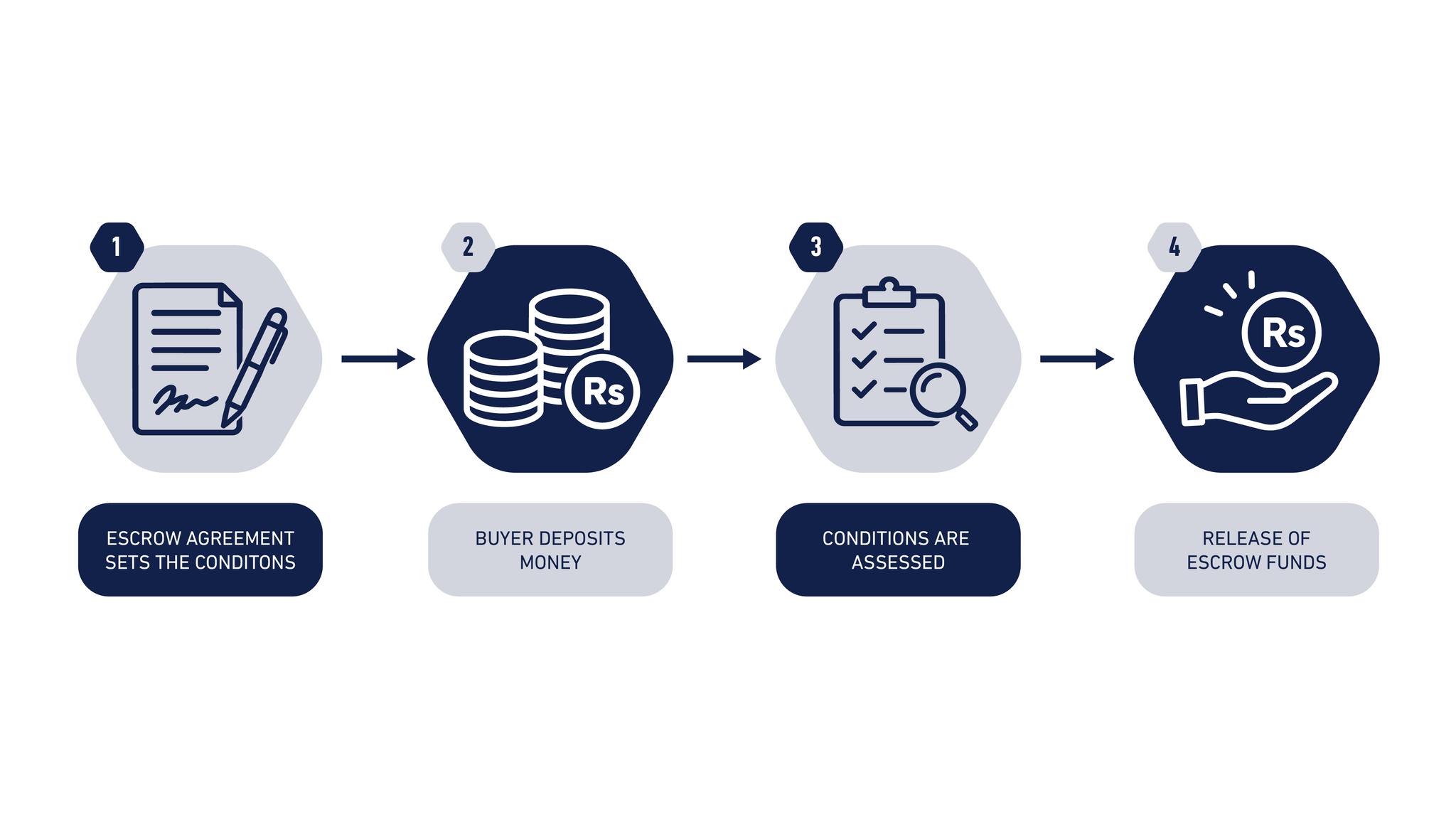
Independent Milestone Release Verification Process
Money is not paid out on particular days of the calendar year, but instead a form of escrow ties the payments to concrete milestones in the construction. Defined milestones are achieved when the site is inspected by independent structural engineers and certified auditors.
- Foundation & Piling Phase: First tranche of capital is released only after confirmation of completion of the foundational structure.
- Superstructure & Structural Framing: As each individual residential floor is cast and finished, additional funds are released incrementally.
- Interior & Services Integration: Mechanical, electrical and plumbing works are held off until structural framing is completed.
- Final Handover & Titling: The balance is released when the deal is formally closed, safety certificates are issued and legal ownership is transferred.
These incremental validations help build operational accountability. The developer is paid to proceed further only when it shows concrete progress on site.
Buyer Protection 101: What Happens to Your Deposit Once Paid?
If you pay an apartment deposit through a direct payment system, the money immediately turns into an asset on the developer’s balance sheet. However, an escrow agreement managed by a bank protects your deposit in trust. But it’s ring-fenced for your project.
This institutional structure deals with several key concerns that buyers often have about their financial commitments:
Will I receive my deposit back?
The buyer's entitlement to recover a deposit is contingent upon the legal provisions in the Sale and Purchase Agreement (SPA). In a typical purchase agreement, it can be a long, legal battle to get any cash back from a troubled developer. In an escrow framework, buyers are better protected in the event of a breach of contractual obligations, because funds are kept separate in an independent institution, rather than being absorbed into daily business operations.
What If the Project Is Delayed?
Construction delays may result from global supply chain disruptions, regulatory delays or labor shortages. With a traditional payment plan, your capital can be exhausted long before construction is halted. Under an escrow, if work stops, fund releases stop, too. This ensures the rest of your capital stays safely locked in the bank account and there is no further risk to your investment while timelines are worked out.
Can a Buyer Forfeit Their Deposit?
Buyers will often lose their deposits if they don’t make payments on time and don’t have a legal reason for not making the payments. The use of an escrow account reduces the potential risk of loss of funds due to developer’s insolvency or mismanagement of the project. The bank holds the capital in escrow so that it cannot be embezzled or used for other purposes.
Assessment of Real Estate Protections Important Questions Every Property Buyer Should Ask
Before you sign a binding agreement or pay a booking fee on an off-plan property, you need to conduct adequate due diligence. Ask your developer these important questions to verify your property payment protection Sri Lanka:
1. Where is my deposit physically? Ask for clear confirmation that your money is going into an independent institutional escrow account and not into a general corporate operating account.
2. How do you validate construction milestones? See if independent 3rd-party engineers assess progress before any money is drawn down.
3. What safeguards are in place to avoid project delays? Ask how the contract addresses instances where a developer stalls on construction in Sri Lanka and what happens to my deposit in those instances.
4. Are the developer’s finances transparent? See if the real estate company relies on pre-sales to finance construction, or if it has the institutional backing to complete large developments.
Asking these questions upfront will let you separate high risk projects from sound investments with transparent financial structures.
Safe Investment in Sri Lanka: Selecting the Right Developer
Legal and financial protections like escrow accounts are necessary but choosing a reliable developer is just as important. A strong track record of successful handovers, financial stability and corporate governance are the ultimate foundation of a safe real estate purchase.
Reputed developers set clear benchmarks for security and accountability in the property market, with escrow arrangements from banks and milestone-based releases that protect the capital of customers.
Choosing a home with institutional stability and comprehensive property deposit protection turns your off-plan purchase into a rewarding wealth-building experience rather than a stressful one.
Invest in Real Estate with Confidence and Peace of Mind
Your experience in navigating the real estate market should be empowering, clear, trustworthy and financially safe. We build your dream home on a solid foundation to protect your capital by creating transparent payment plans and independent account structures.
Are you ready to explore premium residential options with secure payment protections? Contact the John Keells Properties team today to find out more on our ongoing developments, transparent buyer safeguards and tailored payment options.